


Selecting the right communication equipment is essential for building reliable, resilient communication systems. Whether supporting defence operations, emergency services, telecommunications or critical infrastructure, the right equipment must perform consistently in demanding environments.
Choosing communication equipment involves more than comparing technical specifications or selecting the lowest-cost option. Organisations should consider the operating environment, long-term maintenance, system compatibility, future scalability and total cost of ownership to ensure reliable performance throughout the equipment’s lifecycle.
This blog explains the most common mistakes organisations make when choosing communication equipment and how to avoid them.
What is communication equipment?
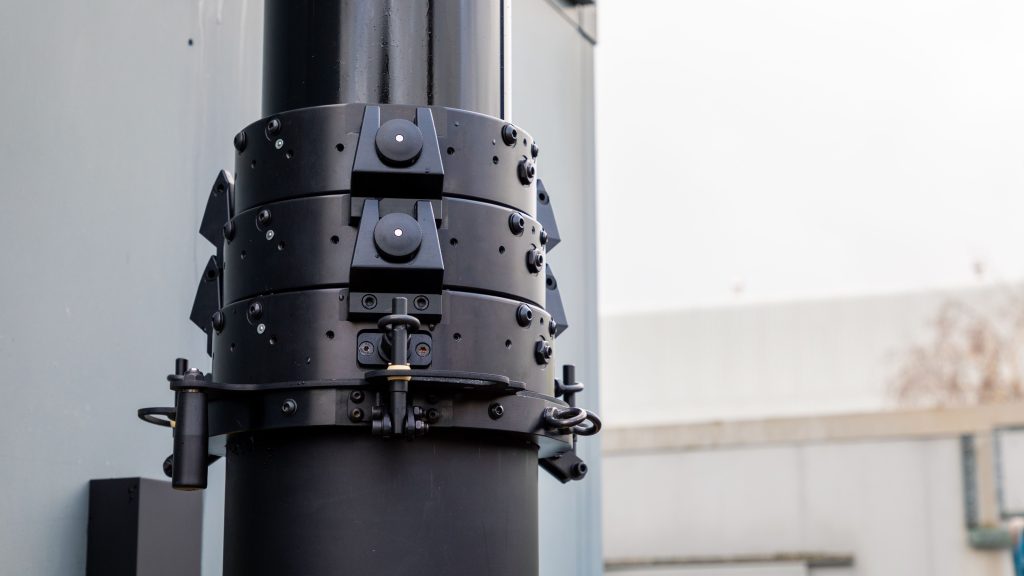
Communication equipment refers to the hardware used to transmit, receive and support voice, data and radio communications. This includes masts, HF antennas, mounting systems like RDUs and brackets, and RF components like transformers and baluns. These are typically used across defence, emergency services, utilities, transport, telecommunications and other mission-critical sectors.
Choosing the right communication equipment helps organisations improve reliability, minimise downtime and maximise long-term value.
- Why shouldn’t you choose communication equipment based only on price?
Budget is always an important consideration, but selecting equipment based solely on purchase price can lead to higher costs over time.
Lower-cost equipment may require more frequent maintenance, have a shorter operational lifespan or fail to perform reliably in demanding environments. When evaluating communication equipment, organisations should consider the total cost of ownership, including servicing, replacement parts, maintenance requirements and operational reliability.
Investing in quality equipment from the outset can often reduce long-term costs while improving system performance.
- How do environmental conditions affect communication equipment?
Communication systems are deployed in a wide range of environments, from urban locations and transport infrastructure to offshore installations, remote sites and military operations.
Environmental factors such as wind, corrosion, moisture, dust and extreme temperatures can all affect equipment performance. Selecting communication equipment that has been designed for the intended operating conditions helps improve reliability and reduce the risk of unexpected failures.
Matching the equipment to its environment is just as important as selecting the correct technical specification.
- Why should you plan for future communication requirements?
Communication infrastructure often needs to adapt as organisations grow or operational demands change.
Choosing equipment that only meets today’s requirements may restrict future expansion or result in costly upgrades. Wherever possible, organisations should select communication equipment that supports future scalability, whether that’s accommodating additional headloads, integrating new technologies or expanding network capacity.
Planning ahead helps protect investment and reduces future disruption.
- How important is maintenance when selecting communication equipment?
Every communication system requires ongoing inspection and maintenance to ensure reliable performance.
When selecting communication equipment, organisations should consider how easily components can be accessed, serviced and maintained throughout their operational life. Ready access to replacement parts, technical support and preventative maintenance services can significantly reduce downtime while extending equipment lifespan.
Considering maintenance requirements during the specification stage helps maximise long-term reliability and return on investment.
- When is bespoke communication equipment the better choice?
Off-the-shelf (COTS) products are suitable for many applications, but they may not always meet complex operational requirements.
Projects involving specialist vehicles, unique headloads or challenging deployment conditions can often benefit from bespoke engineering. Tailored solutions allow equipment to be designed around the specific needs of the application, helping to improve both performance and operational efficiency.
Working with a manufacturer that offers in-house design expertise provides greater flexibility where standard products are not the ideal fit.
- Why is it important to consider the complete communication system?
Communication equipment should never be chosen in isolation.
Masts, antennas, mounting systems, cabling and associated RF equipment all work together as part of an integrated communication system. Ensuring compatibility between components helps maximise performance and reduces the likelihood of operational issues after installation.
Taking a system-wide approach during specification can improve reliability and simplify future maintenance.
By considering the complete lifecycle of the equipment, not just its initial specification, organisations can build communication systems that deliver dependable performance for years to come.
Key Takeaways
When choosing communication equipment, remember to:
- Consider the total cost of ownership rather than purchase price alone.
- Select equipment that is suitable for the operating environment.
- Plan for future growth and changing operational requirements.
- Factor maintenance and servicing into the specification process.
- Choose bespoke solutions when standard products cannot meet operational needs.
- Ensure all communication system components are compatible and designed to work together.
Frequently Asked Questions:
What should you consider when choosing communication equipment?
The most important factors include the operating environment, reliability, maintenance requirements, compatibility with existing systems, future scalability and total cost of ownership. Selecting equipment based on long-term operational performance rather than initial purchase price helps maximise value.
What communication equipment is used in defence and critical infrastructure?
Defence and critical infrastructure organisations commonly use communication masts, RF antennas, mounting solutions and specialist RF communication equipment designed to operate reliably in harsh and demanding environments.
Why is maintenance important for communication systems?
Routine maintenance helps ensure communication systems continue to operate safely and reliably. Preventative servicing can reduce downtime, extend equipment lifespan and lower long-term operating costs.
When should bespoke communication equipment be used?
Bespoke communication equipment is often the best choice when standard products cannot meet specific operational, environmental or integration requirements. Tailored engineering solutions can improve performance while ensuring equipment is fit for purpose.
Choosing the Right Communication Equipment
Selecting communication equipment is about much more than comparing specifications. You should evaluate operational requirements, environmental conditions, maintenance needs, future scalability and complete system compatibility before making a purchasing decision.
Taking a lifecycle approach helps build communication systems that remain reliable, efficient and adaptable for years to come.
With more than 67 years of experience, SMC Group designs and manufactures specialist communication masts, HF antennas and communication equipment for defence, emergency services, telecommunications and other critical infrastructure.
Download our Capabilities Guide to learn more about how SMC can help you in your next project.