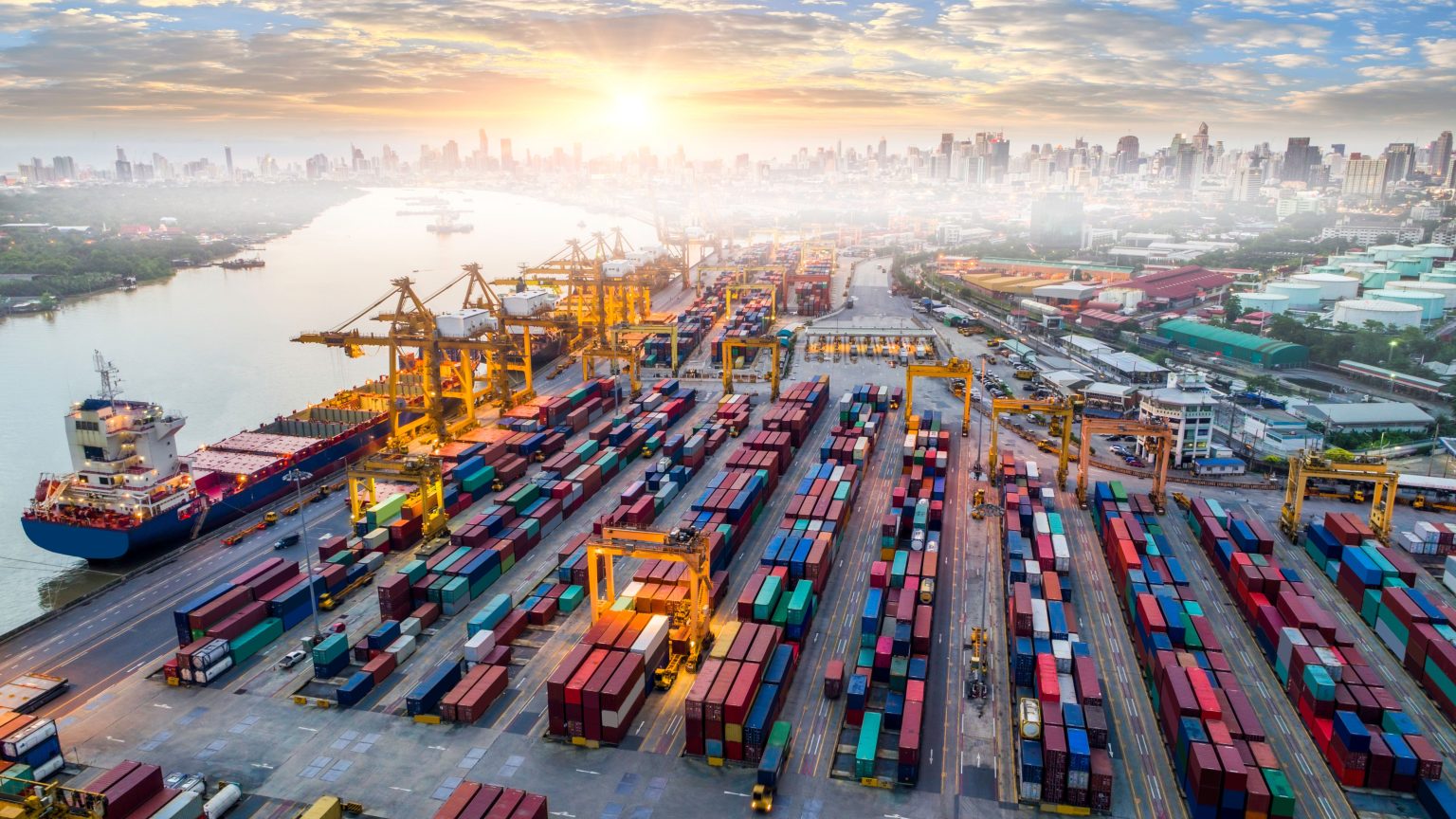
International trade continues to evolve, creating new opportunities for UK manufacturers and exporters. Throughout 2026, the UK has strengthened its global trading relationships through new free trade agreements (FTAs) and updates to existing partnerships, helping businesses access international markets more easily.
For manufacturers supplying specialist equipment, engineering solutions and communications technology, understanding these developments can help identify new export opportunities and support long-term growth.
Here’s our latest quarterly overview of the UK’s trade agreement landscape.
Key UK Trade Agreements Currently in Force
European Union
The UK-EU Trade and Cooperation Agreement (TCA) remains the UK’s largest trading agreement. It provides tariff-free and quota-free trade for qualifying goods while supporting ongoing cooperation in areas including regulation, customs and agriculture.
Although exporting to the EU still requires compliance with customs and rules of origin requirements, the agreement continues to provide an important framework for UK manufacturers trading across Europe.
India
One of the most significant developments this year is the UK-India Free Trade Agreement, which came into force on 15 July 2026.
The agreement significantly reduces tariffs across a wide range of products, improves market access and simplifies trading arrangements between the two countries. For UK businesses looking to expand into one of the world’s fastest-growing economies, this represents a major opportunity
Comprehensive and Progressive Agreement for Trans-Pacific Partnership (CPTPP)
The UK’s membership of the CPTPP provides access to an important trading bloc spanning the Indo-Pacific region.
Membership supports UK businesses trading with countries including Australia, Japan, Singapore, New Zealand, Canada, Malaysia and Vietnam, helping to diversify export opportunities beyond traditional markets.
Australia and New Zealand
The UK’s bespoke agreements with Australia and New Zealand continue to support trade through reduced tariffs and modern provisions covering areas such as digital trade, services and innovation.
These agreements are designed to simplify trading while encouraging greater collaboration between UK businesses and partners across the region.
Japan
The UK-Japan Comprehensive Economic Partnership Agreement (CEPA) builds upon the previous EU-Japan arrangement with enhanced provisions for digital trade, data flows and services, supporting businesses operating internationally.
Recent Trade Agreement Developments
Several additional agreements have been concluded during 2026 and are expected to further strengthen the UK’s international trading position.
Gulf Cooperation Council (GCC)
In May 2026, the UK concluded negotiations on a free trade agreement with the Gulf Cooperation Council, covering:
- Bahrain
- Kuwait
- Oman
- Qatar
- Saudi Arabia
- United Arab Emirates
Once implemented, the agreement is expected to improve market access across one of the UK’s most important export regions.
Switzerland
The UK and Switzerland concluded negotiations on an enhanced Free Trade Agreement in July 2026. The agreement modernises the existing trading relationship with improvements across services, investment and digital trade. It has been concluded but is not yet in force, pending ratification by both countries.
South Korea
The UK has also reached terms to modernise its existing agreement with South Korea, updating provisions to better reflect today’s trading environment and strengthen bilateral trade.
What Does This Mean for UK Manufacturers?
For UK manufacturers, these agreements can create opportunities to:
- Access new international markets.
- Reduce or remove tariffs on eligible exports.
- Improve supply chain resilience.
- Benefit from simpler customs procedures in some markets.
- Strengthen relationships with overseas partners.
Businesses operating within specialist engineering, communications, defence, security and critical infrastructure sectors may also find increased opportunities as international investment and procurement continue to grow.
Before You Export
While free trade agreements can offer significant advantages, businesses should always check:
- Whether the agreement is currently in force.
- Applicable commodity (tariff) codes.
- Rules of origin requirements.
- Product-specific regulations and certification.
- Customs documentation requirements.
Meeting these requirements is essential to benefit from preferential tariff rates available under each agreement.
Where Can You Find Official Guidance?
The UK Government provides detailed guidance on all active and upcoming trade agreements, including country-specific information, rules of origin and tariff guidance.
Visit the UK Government’s Trade Agreements collection for the latest official information.
Looking Ahead
International trade continues to develop rapidly, with negotiations, enhanced agreements and new partnerships opening additional opportunities for UK exporters.
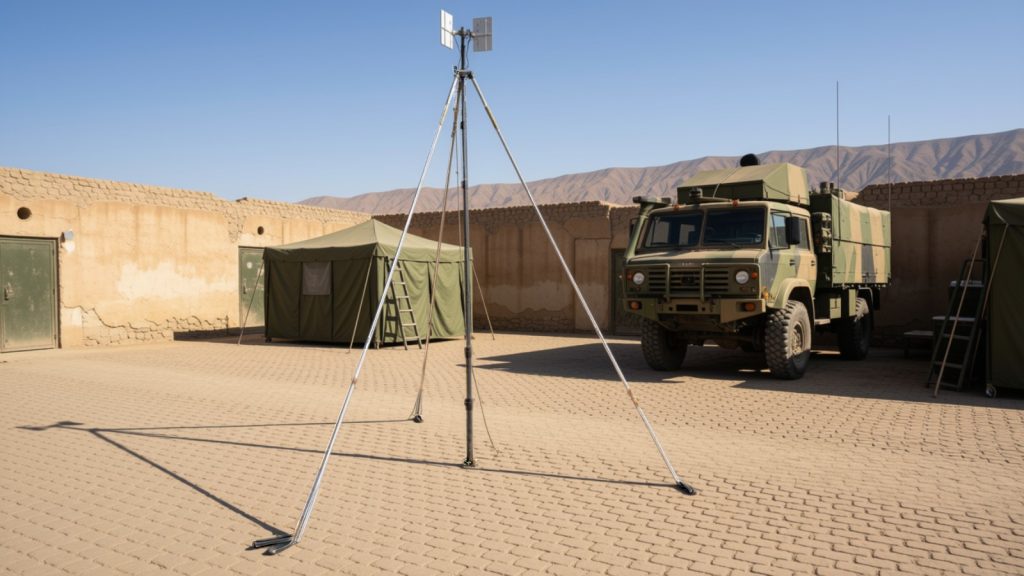
At SMC Group, we work with customers and partners across international markets, supplying specialist RF communications equipment, antenna systems and mast solutions that support critical communications worldwide.
We’ll continue to publish a quarterly trade agreements update to help businesses stay informed about the latest developments affecting UK exports.