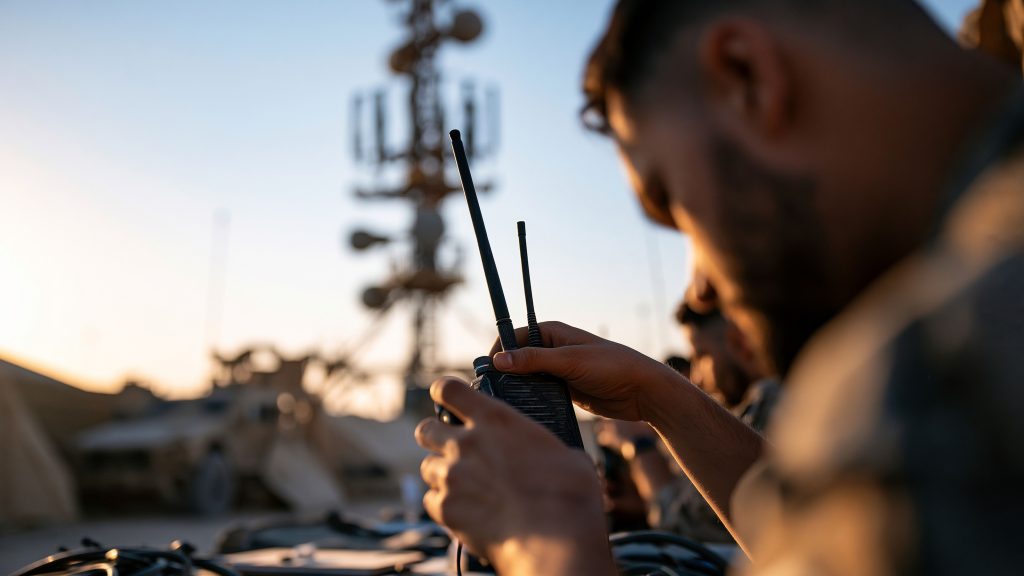



Antennas remain one of the most important components of any wireless communication system. As networks become more connected and operational requirements become more demanding, antenna design needs to keep pace.
Modern communications systems may need to support greater coverage, multiple frequencies, mobile platforms and increasingly challenging deployment environments. This means antenna performance can no longer be considered in isolation.
What determines antenna performance?
Antenna performance depends on a combination of factors, including frequency, bandwidth, gain, polarisation, radiation pattern, installation and the surrounding environment. An antenna that performs well in a controlled environment may not deliver the same results once installed on a vehicle, elevated on a mast or deployed in challenging terrain. This is why good antenna engineering begins with understanding the application.
Designing for the complete system
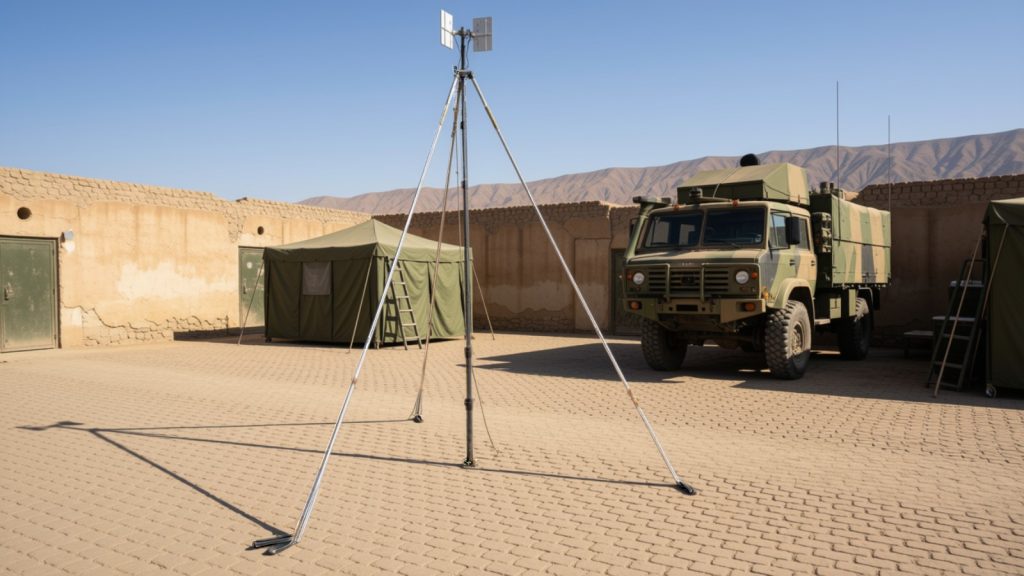
The antenna is only one part of the communications chain. Its performance is influenced by the mast or mounting system, RF cables, connectors, radio equipment and physical environment. For example, raising an antenna can improve line-of-sight and coverage, while unsuitable cable selection or installation can introduce losses between the radio and antenna. A system-level approach is therefore essential when developing reliable communications infrastructure.
Performance needs to match the application
There is no single antenna design that is suitable for every communications requirement. A defence application may prioritise portability and rapid deployment. A permanent infrastructure project may place greater emphasis on long-term durability and coverage. An emergency response system may need to balance both.
At SMC Group, our solutions range from portable tactical antennas to specialist HF systems. Our current portfolio includes solutions designed for different frequency ranges, deployment methods and operational requirements.
Looking beyond the antenna itself
The future of antenna performance is about understanding how an antenna performs as part of a complete communications system. That means considering the antenna, supporting infrastructure, installation environment and operational requirements together. For modern networks, antenna performance is ultimately about achieving reliable communications where and when they are needed.
Reinventing Antenna Performance for Modern Networks
Antennas remain one of the most important components of any wireless communications system. As networks become more connected and operational requirements become more demanding, antenna design needs to keep pace.
Modern communications systems may need to support multiple frequencies, greater coverage, mobile platforms and increasingly challenging deployment environments. This means antenna performance can no longer be considered in isolation.
The most effective approach is to look at the antenna as part of the wider communications system.
What determines antenna performance?
Antenna performance depends on a combination of factors, including frequency, bandwidth, gain, polarisation, radiation pattern, installation and the surrounding environment. An antenna that performs well in a controlled environment may not deliver the same results once installed on a vehicle, elevated on a mast or deployed in challenging terrain. This is why good antenna engineering starts with understanding the application.
Designing for the complete RF system
An antenna is only one part of the communications chain. Its performance can be influenced by the mast or mounting system, RF cables, connectors, radio equipment and physical environment. For example, increasing antenna height can improve line-of-sight and coverage in suitable applications, while poor cable selection or installation can introduce losses between the radio and antenna. A system-level approach is therefore essential when developing reliable communications infrastructure.
Performance needs to match the application
There is no single antenna design that is suitable for every communications requirement. A defence application may prioritise portability and rapid deployment. A permanent telecommunications installation may place greater emphasis on long-term durability and structural performance. An emergency response system may need to balance portability, coverage and speed of deployment.
The right antenna is therefore the one designed around the actual operational requirement. SMC Group develops and manufactures specialist antenna systems for different communications requirements, including HF and tactical applications, alongside the mast systems and RF equipment needed to deploy them.
Looking beyond the specification sheet
Antenna gain, frequency range and power handling all have their place, but the real question is how the antenna will perform once it becomes part of the complete communications system.
• Where will it be installed?
• How high will it be?
• What equipment will it connect to?
• What environment will it operate in?
• How often will it be deployed?
These questions can be just as important as the headline specification.
Key considerations when selecting an antenna
When assessing an antenna system, organisations should consider:
• Required frequency range
• Bandwidth
• Antenna gain and radiation pattern
• Polarisation
• Installation height
• Available mounting infrastructure
• Environmental conditions
• Portability and deployment requirements
• Cable and connector requirements
• Long-term maintenance
Taking these factors together creates a much clearer picture of whether an antenna is appropriate for the intended application.
FAQs
What factors affect antenna performance?
Antenna performance can be affected by frequency, bandwidth, gain, polarisation, radiation pattern, installation, antenna height, cable losses, surrounding structures and the wider RF environment.
Does antenna height affect communications range?
It can. Increasing antenna height can improve line-of-sight and help overcome some physical obstructions. The effect depends on the frequency, terrain and wider RF system.
Is a higher-gain antenna always better?
No. Higher gain can concentrate energy in particular directions, which may be beneficial for some applications but unsuitable for others. Antenna selection should be based on the required coverage pattern and operating environment.
Why is antenna installation important?
The surrounding environment, mounting arrangement, height, cable routing and orientation can all influence the performance of an antenna once deployed.
Antenna technology continues to evolve, but the fundamentals of good antenna engineering remain the same: understand the requirement, design for the environment and consider the antenna as part of the complete RF system.
For modern networks, improving antenna performance is about developing solutions that deliver the right performance in the conditions where they will actually be used.
Explore SMC Group’s antenna range and check our SMC Capabilities Guide here. When you’re ready to discuss your next project or specialist requirement, contact our team directly at sales@smcgroupglobal.com or Request a Quote online.