

Tactical antennas are designed to support reliable communications in field and operational environments. They are commonly used by defence organisations, security teams and emergency services where mobility, durability and dependable signal performance are essential. When deployed alongside telescopic masts, tactical antennas can be elevated to improve line-of-sight, signal clarity and overall system effectiveness.
Purpose of Tactical Antennas
Tactical antennas are intended for operational communications rather than permanent fixed installations. They are designed to perform in environments where systems may need to be:
-
Rapidly deployed
-
Transported between locations
-
Mounted on vehicles or temporary structures
-
Used in variable terrain and weather conditions
Elevation using a mast system improves propagation, particularly in HF, VHF and UHF communication scenarios. By raising the antenna above surrounding obstacles, performance can be enhanced in both urban and remote environments.
Integration with Mast Systems
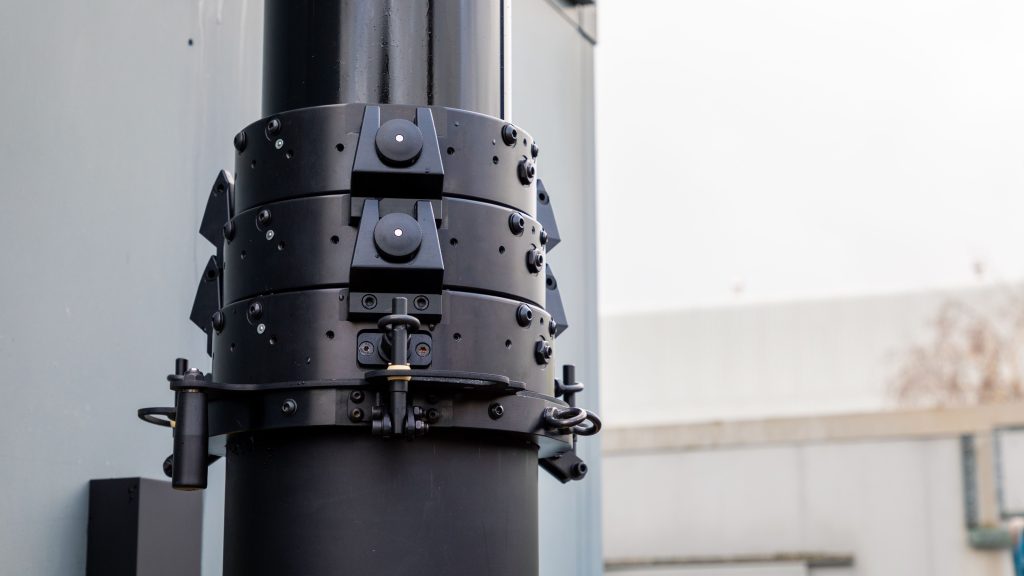
Tactical antennas are often deployed in combination with telescopic masts. This pairing allows communication equipment to be positioned at height while maintaining portability and stability.
Different mast types can support tactical antenna systems depending on operational requirements. Lightweight masts may be used for rapid deployment, while heavier-duty systems can support larger or higher-load configurations. The ability to integrate antennas with appropriate mast platforms ensures flexibility across a range of mission profiles.
Operational Environments
Tactical antennas are engineered to function in challenging environments where reliability is critical. These may include:
-
Field communications networks
-
Mobile command centres
-
Surveillance platforms
-
Emergency response operations
-
Temporary infrastructure deployments
Environmental resistance, mechanical durability and consistent performance are key design considerations. Tactical antenna systems are intended to maintain stable operation under varying conditions, including exposure to wind and outdoor elements.
Frequency Support and System Compatibility
Tactical antennas are used across multiple frequency ranges depending on the communication system in use. They may support broadband or specific frequency bands, enabling integration into wider communication networks.
System compatibility is an important factor. Tactical antennas must work effectively with radios, transformers and associated RF components to ensure efficient signal transmission and reception. Proper system design helps maintain communication clarity and reduces signal loss.
Design Considerations
When developing tactical antenna solutions, several practical factors are typically considered:
-
Ease of deployment and retraction
-
Structural durability
-
Weight and portability
-
Compatibility with mast systems
-
Suitability for vehicle or field mounting
These considerations ensure that antennas can be used effectively in dynamic operational settings where speed and reliability are important.
Summary
Tactical antennas form an essential part of mobile communication systems, enabling reliable signal transmission in field environments. When integrated with suitable mast systems, they provide improved elevation, enhanced performance and operational flexibility.
Through its range of mast and antenna solutions, SMC Group supports defence, security and emergency applications that require dependable communications infrastructure in demanding conditions.
Get in touch with our team today: sales@smcgroupglobal.com, or call +442380246200 (UK). You can also request a quote here.