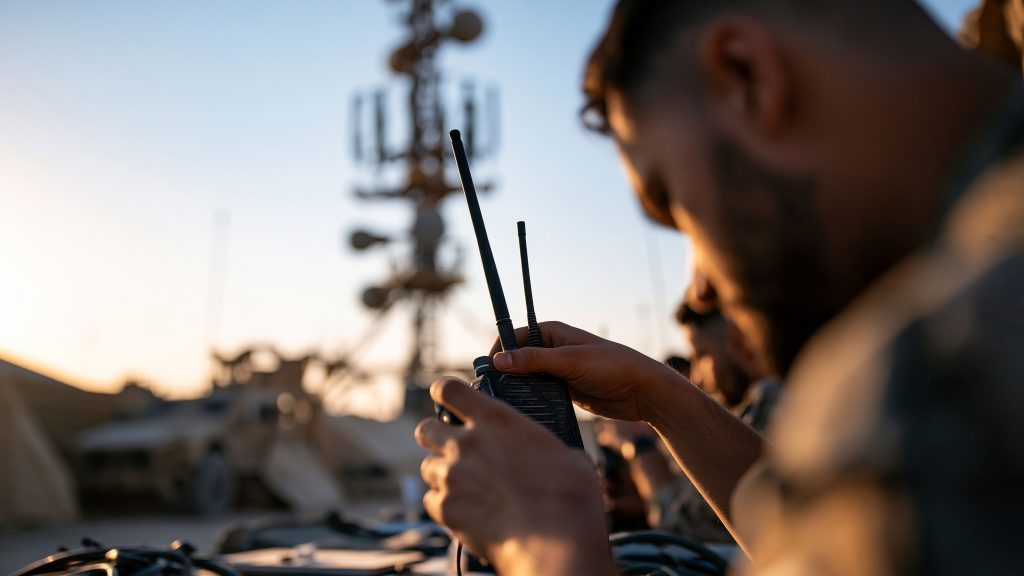


Critical communications need to remain available when normal infrastructure is unavailable, degraded or under pressure.
Resilience involves considering the whole communications system, including infrastructure, power, physical security, maintenance and alternative methods of communication.
What does communications resilience mean?
Communications resilience is the ability of a communications system to continue providing an acceptable level of service when faced with disruption or failure.
Key causes of critical communications outages include:
- Hardware and System Failures: Component degradation or single-device failure.
- Infrastructure and Power Losses: Grid blackouts, cable severing, or tower collapses.
- Environmental Strain: Wind loading, ice accumulation, and extreme temperature variations.
- Network and Security Threats: Cyber incidents, frequency interference, or severe network congestion.
7 Core Strategies for Building Resilient Communications Systems
1. Avoid single points of failure
A resilient system should identify critical single points of failure and mitigates vulnerabilities across every layer of the signal path. For example, if communications depend entirely on one item of equipment, one power source or one physical site, failure of that component could significantly affect the whole system.
UK telecommunications resilience guidance recommends considering physical separation of critical equipment where appropriate to reduce common-mode failures.
- Redundant RF Hardware: Utilising balanced combiners, multicouplers, and backup transformers (such as SMC’s RF Comms range) ensures continued signal routing if a transmitter fails.
- Physical Separation: Following telecom resilience guidelines by physically separating redundant critical hardware to prevent common-mode failures.
2. Consider alternative communications methods
Different communications technologies can provide different capabilities and vulnerabilities. Depending on the application, resilience may involve using complementary communications systems rather than relying on one technology. The appropriate combination depends on the operational requirement.
- Tactical and HF Links: Beyond Line-of-Sight (BLOS) HF systems operate independently of local cellular or satellite infrastructure.
- Rapid-Deploy Backup Masts: Incorporating portable mast systems, such as SMC’s SWIFT or PackMast series, allows teams to re-establish elevated coverage within minutes if a fixed tower goes down.
3. Protect the physical infrastructure
Masts, antennas, and mounting hardware face constant environmental exposure. Protecting physical infrastructure requires hardware engineered and tested for hostile operational conditions.
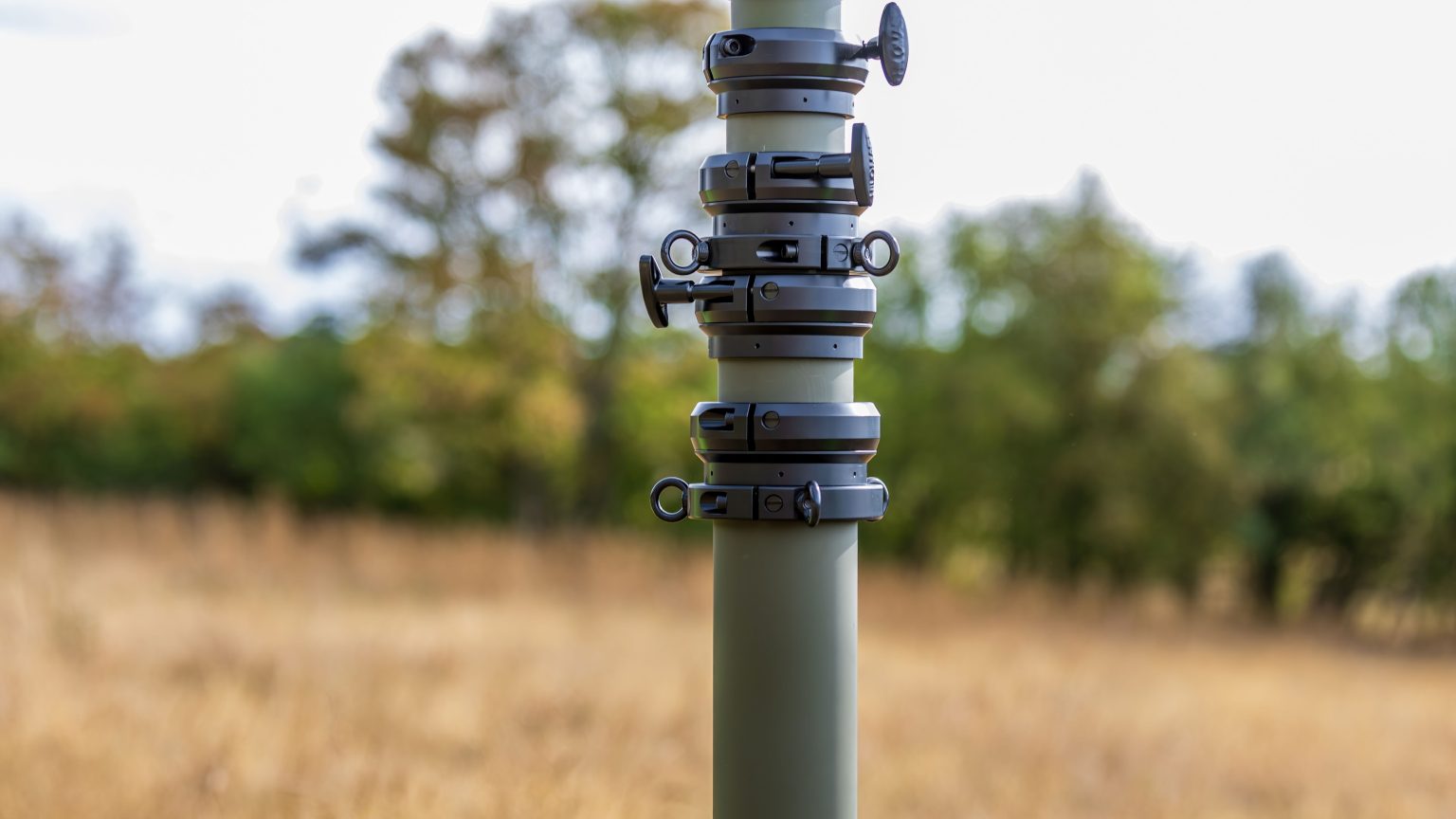
- Environmental Hardening: Choose corrosion-resistant GRP composite masts or heavy-duty anodised aluminium pneumatic masts engineered to withstand extreme wind loading.
- Automated Safety and Stability: Solutions like the SMC Ultralock mast series offer mechanical locking systems that prevent mast collapse under severe headload strain or atmospheric pressure changes.
UK resilience guidance specifically states that antenna masts should be designed to withstand likely environmental loads.
4. Plan for power failure and supply redundancy
Communications equipment is only useful if it has power. Power loss remains one of the primary drivers of critical communications outages.
- Layered Power Systems: Resilient setups combine primary grid power with uninterruptible power supplies (UPS), solar arrays, and high-efficiency generators to guarantee continuous uptime.
- Low-Power Hardware: Utilising energy-efficient antennas and RF combiners lowers overall system load, extending battery backup runtimes during extended grid blackouts.
5. Maintain equipment proactively
Preventative maintenance can identify deterioration before it becomes a failure. For masts, this can include inspection, servicing and checking components affected by environmental exposure. SMC recommends annual servicing for its masts and notes that climate, frequency of use and exposure to elements can influence maintenance requirements.
- Systematic Inspections: Routinely check pneumatic seals, locking collars, guy lines, and cable connectors for wear or environmental degradation.
- Corrosion and Weather Protection: Systems built with anodised aluminium, composite GRP, or specialised weather-sealing require lower maintenance while delivering high field reliability.
6. Consider deployment flexibility
A communications system that can be deployed at an alternative location can provide additional resilience when fixed infrastructure becomes unavailable. Transportable masts and antennas can support this type of contingency planning.
Adaptable Vehicle and Ground Systems: Rapid-deployment mast systems allow teams to re-establish elevated coverage instantly. Heavy-duty units like the SMC NH Series are built for permanent vehicle roof mounting, while flexible options like the SWIFT Series can utilise drive-on wheel stand baseplates for immediate, temporary vehicle mounting without structural modifications.
7. Test the contingency plan
A resilience strategy is only useful if it works in practice.
Organisations should consider testing:
- backup equipment
- alternative communications methods
- power arrangements
- deployment procedures
- personnel responsibilities
- maintenance arrangements
Resilience starts with system design
The most effective resilience strategies consider the communications system as a whole. That means looking beyond individual products and considering infrastructure, equipment, power, people, maintenance and contingency arrangements together.
FAQs
What is the best way to make communications more resilient?
There is no single solution. Resilience generally comes from reducing single points of failure, protecting infrastructure, maintaining equipment, planning for power loss and having suitable alternatives.
Can a transportable mast improve communications resilience?
It can provide an additional deployment option where communications need to be established away from fixed infrastructure.
How important is maintenance to communications resilience?
Very important. Preventative inspection and maintenance can help identify deterioration before it becomes an operational failure.
Is Your Critical Communications Network Ready for the Unexpected?
From military-grade pneumatic masts to tactical antennas and power-efficient RF components, SMC Group designs infrastructure engineered to keep you connected when normal systems fail. Contact us today on +44 (0) 23 8024 6200, email sales@smcgroupglobal.com or contact us online here.