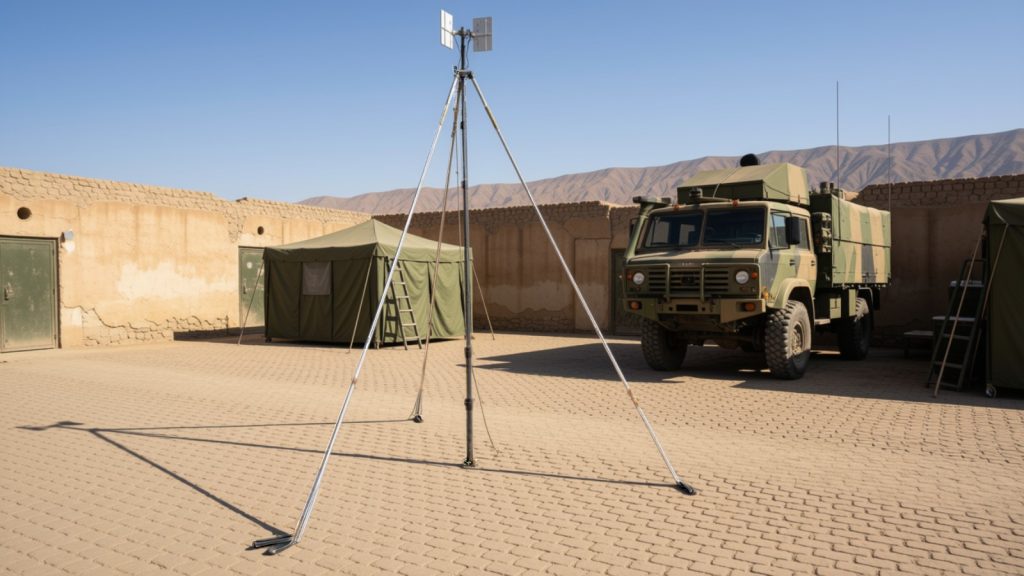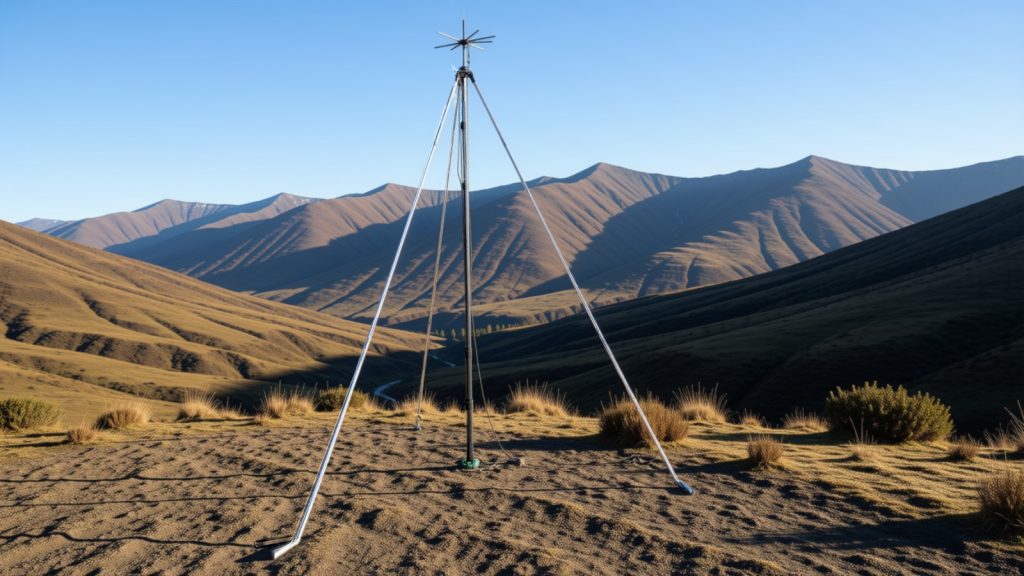


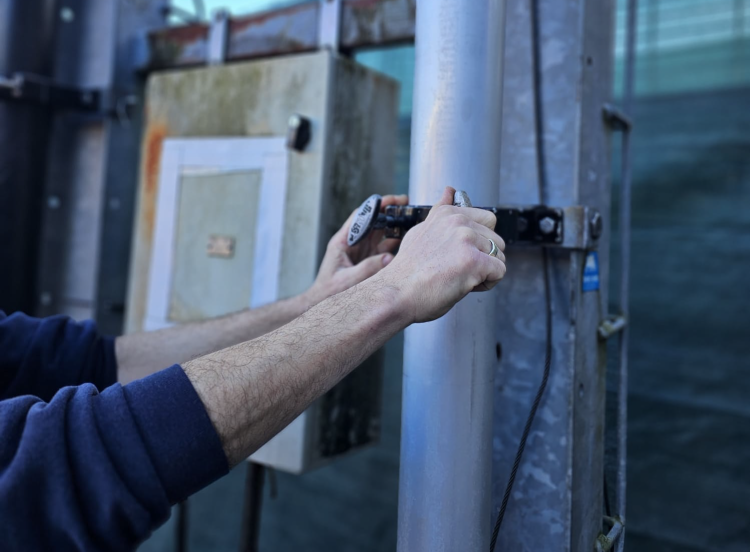
Mast systems are engineered structures designed to elevate equipment to a required height in order to support performance, stability and operational needs. They are best defined by their application, as their design is determined by the specific function they are intended to perform.
Applications may include communications, monitoring, lighting or specialist equipment. Key design considerations typically include load capacity, deployment method, environmental conditions and structural integrity. A clear understanding of the intended application is essential to ensuring the system is appropriately specified and configured.
Elevated Communications
One of the most common uses for mast systems is the elevation of communication equipment. By raising antennas above ground level, masts improve line-of-sight, reduce signal obstruction and enhance overall transmission performance.
In practical terms, this may involve supporting RF antennas, data links, wireless networks or temporary communication systems. The required mast height, load capacity and deployment method will depend on factors such as coverage area, terrain and environmental conditions. Applications in this category often prioritise stability, reliable locking mechanisms and compatibility with varied antenna configurations.
Surveillance and Monitoring
Masts are frequently used to provide elevated platforms for cameras, sensors and detection equipment. Height can significantly improve visibility, field of view and data accuracy, particularly in open environments or across large sites.
In monitoring applications, mast systems must minimise vibration and maintain structural rigidity to ensure accurate readings and consistent image capture. Depending on the deployment, systems may need to support multiple devices simultaneously, along with cabling and power connections. Application-driven design ensures that payload weight, wind loading and operational duration are appropriately considered.
Temporary and Rapid Deployment
In situations where infrastructure must be established quickly, mast systems provide a practical solution. Temporary deployments may be required for planned events, site investigations, emergency operations or short-term projects.
These applications typically require ease of transport, straightforward assembly and efficient operation. Portable mast designs, including push-up, winch-operated or pneumatic systems, enable equipment to be elevated without extensive site preparation. The emphasis in such cases is on speed, reliability and safe deployment.
Vehicle-Mounted
Certain operational requirements demand mobility. Mast systems can be integrated into vehicles or mobile platforms to support communications, monitoring or specialist equipment while on the move.
Vehicle-mounted applications require careful consideration of structural stability, weight distribution and operational safety. The mast must perform reliably both when stowed and when deployed, while withstanding vibration and environmental exposure during transit. Integration with power and data systems is also an important factor in this type of application.
High-Load and Specialist Payload
Some applications require the support of larger or more complex equipment, such as radar systems, directional antennas or multi-device assemblies. In these cases, mast systems must be engineered to accommodate higher head loads and increased wind forces.
Design considerations include reinforced structural sections, advanced locking mechanisms and enhanced stability features. Application-specific engineering ensures that the mast can safely support the required equipment while maintaining operational performance under load.
Environmental Monitoring
Masts are widely used to support environmental and meteorological instruments. Elevated positioning helps ensure accurate data collection by reducing ground-level interference and improving exposure to atmospheric conditions.
These applications often require long-term reliability in exposed environments. Corrosion resistance, material durability and structural stability are therefore key considerations. The mast system must provide a secure and consistent platform for instruments that monitor wind, temperature, air quality or other environmental variables.
Lighting and Utility Support
In certain operational environments, mast systems are used to elevate lighting equipment or temporary utility systems. Applications such as construction sites, outdoor works, or temporary installations may require reliable illumination over a defined area.
In these cases, mast height, stability and ease of adjustment are important factors. The system must provide safe elevation while maintaining structural integrity under expected wind conditions.
Conclusion
Mast systems serve a wide range of applications, from elevating communications and monitoring equipment to supporting mobile, temporary and specialist payloads. By focusing on application-based design, organisations can ensure that mast solutions are tailored to operational requirements, environmental conditions and technical specifications.
Through careful engineering and considered deployment, mast systems provide a stable and reliable platform that enables equipment to perform effectively across diverse and demanding environments.
If you have any questions or would like to discuss your requirements, our team would be happy to help: sales@smcgroupglobal.com, or call +442380246200 (UK). You can also request a quote here.