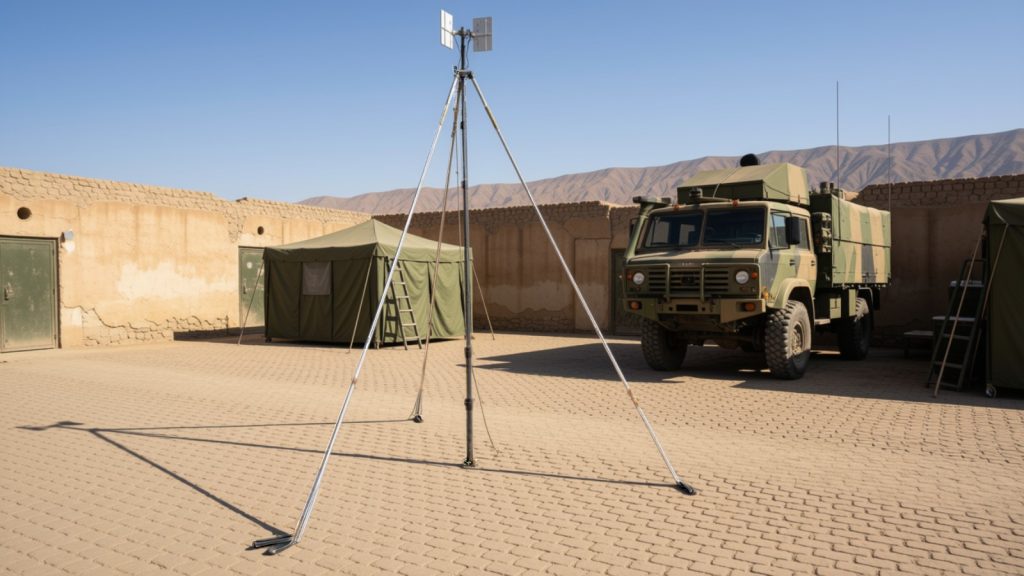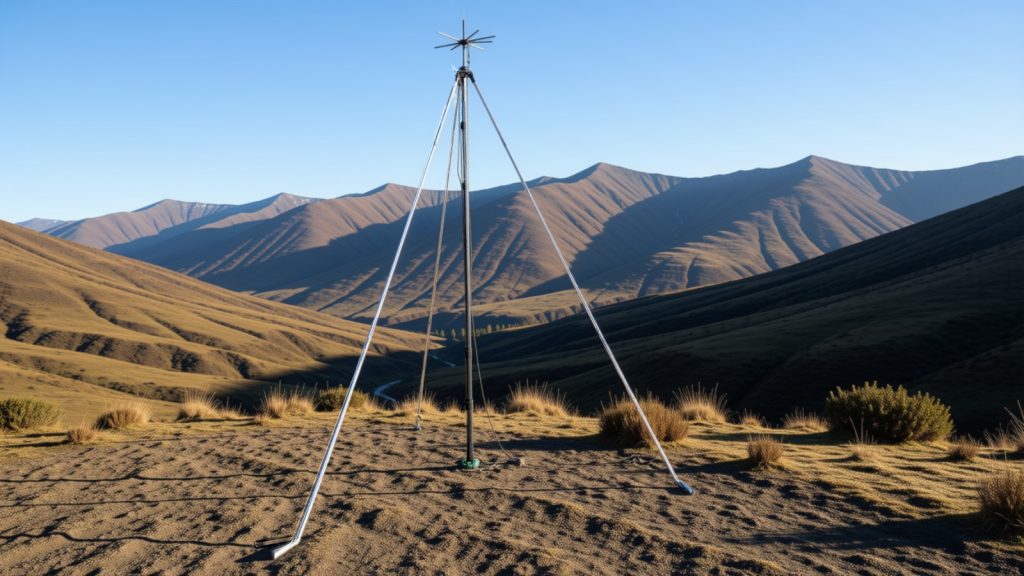


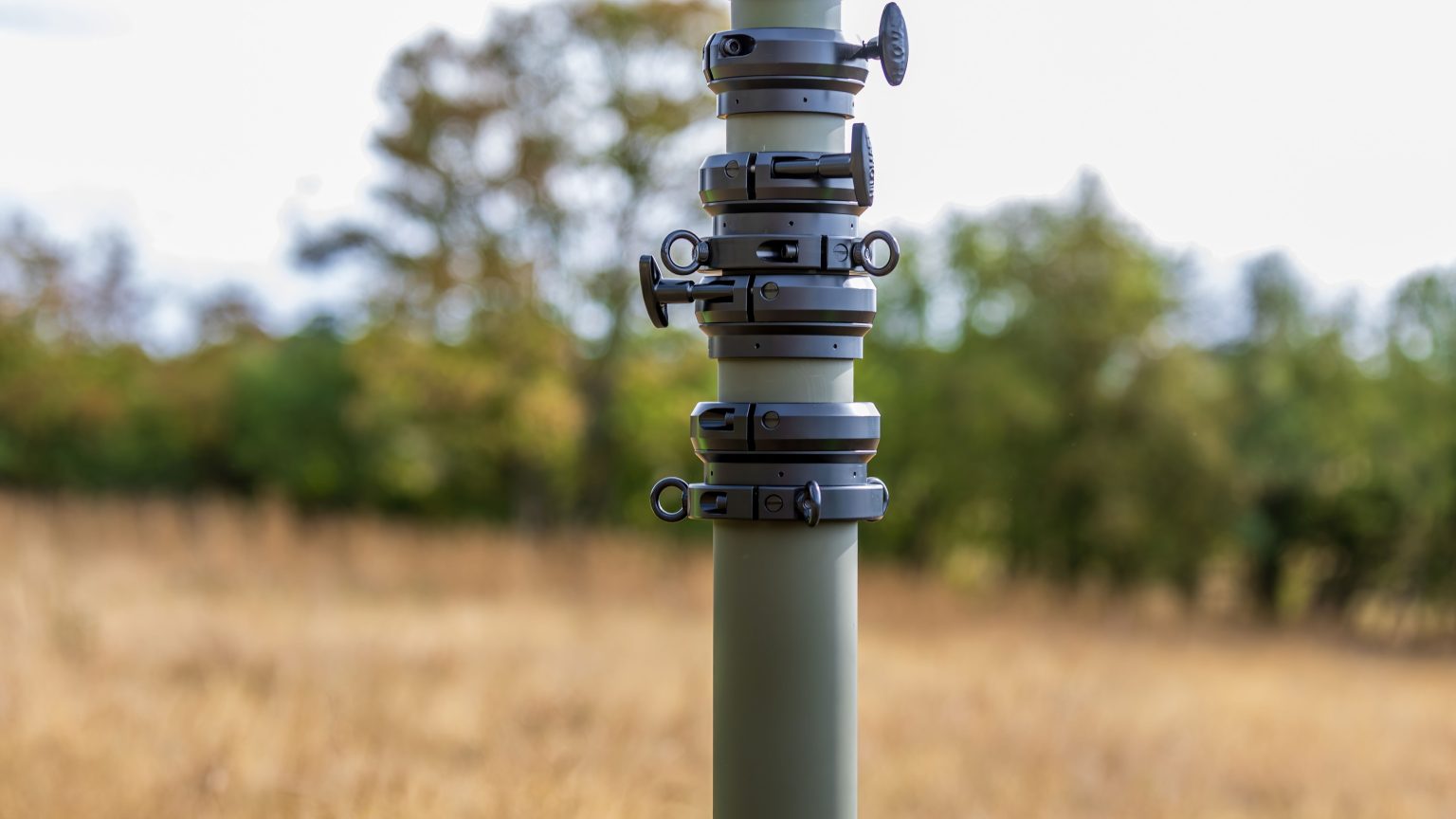
Choosing the right specialist mast is essential for ensuring reliable communication in demanding environments. The best communication masts combine the correct operating height, headload capacity, structural stability, deployment speed and environmental durability while remaining compatible with your RF communication equipment. Whether supporting defence, emergency services, telecommunications or critical infrastructure, selecting the right mast improves operational performance, reliability and long-term value.
This guide explains the key features to consider when choosing specialist masts for communications and how they influence operational success.
Why does choosing the right communications mast matter?
A communications mast provides the height needed for antennas, sensors, cameras, lighting and other mission-critical systems to achieve greater line-of-sight, wider signal coverage and improved overall communication performance.
Selecting the wrong mast can result in:
• Reduced communication range
• Lower headload capability
• Slower deployment
• Increased maintenance requirements
• Higher lifetime operating costs
• Reduced operational reliability
The most effective masts are engineered to perform consistently in demanding environments while remaining easy to transport, deploy and maintain.
1. Fast deployment
For defence operations, emergency response, disaster recovery and temporary communication networks, rapid deployment is often critical.
Look for mast systems that can be installed quickly with straightforward operating mechanisms, such as:
• Pneumatic telescopic masts
• Mechanical telescopic masts
• Push-up mast systems
• Winch-operated mast systems
Reducing deployment time allows communication networks to become operational faster while helping minimise personnel exposure during installation.
2. Structural strength and stability
Every communications mast must safely support equipment throughout its operating height without excessive movement or deflection.
Important factors to consider include:
• Maximum headload capacity
• Operating height
• Wind loading capability
• Mast deflection under load
• Guying requirements (where applicable)
A well-engineered mast should remain stable while supporting antennas, surveillance systems, radar equipment, meteorological sensors or lighting without compromising communication performance.
3. Environmental durability
Communication systems are frequently deployed in harsh operating environments including coastal regions, deserts, mountainous terrain and extreme temperatures. High-quality specialist masts should be manufactured from corrosion-resistant materials and engineered to withstand prolonged environmental exposure.
Consider:
• Corrosion resistance
• UV resistance
• Moisture protection
• Temperature tolerance
• Long service life under repeated deployment
Durable construction reduces maintenance requirements and increases equipment availability throughout the product lifecycle.
4. Portability and transportability
Some communication systems remain permanently installed, while others must be rapidly transported between locations. The ideal mast balances operating height and headload capacity with ease of transportation.
Assess factors such as:
• Overall system weight
• Collapsed transport length
• Vehicle integration options
• Manual handling requirements
• Storage and transport accessories
These considerations are particularly important for tactical communications, mobile command vehicles and rapidly deployable field operations.
5. Integration with Your Operational Equipment
A mast should be designed to integrate seamlessly with your complete RF communication system and the equipment you need to deploy. Rather than adapting your operational requirements to suit a standard mast, the right solution should support your specific headload configuration and application.
Specialist masts and spigots can be integrated with a wide range of equipment, including:
• HF antennas
• VHF antennas
• UHF antennas
• Microwave communication systems
• CCTV and surveillance cameras
• Radar systems
• Meteorological sensors
• Lighting systems
• Multiple combined payloads
For applications with unique operational requirements, SMC Custom can design and engineer bespoke mast solutions that integrate one or multiple headloads into a single, optimised system. This ensures the mast, mounting arrangements and deployed equipment work together to deliver the required performance, reliability and ease of deployment, while allowing future upgrades or modifications as operational needs evolve.
6. Reliability for continuous operation
Mission-critical communications demand equipment that performs reliably over extended periods. Reliability is influenced by:
• Engineering design
• Manufacturing quality
• Materials used
• Product testing
• Quality assurance processes
Selecting equipment manufactured under recognised quality management systems provides additional confidence in long-term performance.
At SMC Group, our specialist masts are designed, manufactured and tested in the UK under an ISO 9001-certified quality management system, with complete in-house engineering, manufacturing and technical support.
7. Maintenance and lifecycle support
The purchase price represents only part of the total cost of ownership. When comparing manufacturers, consider the availability of:
• Preventative servicing
• Spare parts
• Technical support
• Product servicing
• System upgrades
• Long-term maintenance support
Routine servicing extends equipment life, maintains performance and helps reduce unplanned downtime throughout the product’s operational lifespan.
8. Bespoke engineering capability
Every communications project has unique operational requirements.
While standard mast systems meet many applications, others require bespoke engineering to accommodate specific headloads, deployment methods, vehicle installations or environmental conditions. A manufacturer with in-house engineering expertise can develop customised solutions that are tailored to operational requirements rather than forcing compromises around standard products.
How do you choose the right specialist communications mast?
The best specialist communications mast is one that matches your operational requirements rather than offering the greatest height or lowest cost.
When evaluating solutions, consider:
• Deployment speed
• Headload capacity
• Operating height
• Structural stability
• Environmental durability
• Transportability
• Equipment compatibility
• Maintenance support
• Manufacturer expertise
Selecting the right combination of these features will improve reliability, reduce lifecycle costs and maximise operational performance.
Why choose SMC Group for specialist communication masts?
For more than 68 years, SMC Group has designed and manufactured specialist communication masts for defence, emergency services, telecommunications, broadcast and critical infrastructure applications.
Our range of standard and bespoke masts are engineered for reliability, rapid deployment and long service life in demanding environments. Backed by in-house engineering, manufacturing and servicing expertise, we help organisations select solutions that meet both current operational needs and future requirements.
Whether you require a standard telescopic mast or a fully customised system, our technical team can help identify the right solution for your application.
Frequently Asked Questions
What is a specialist communications mast?
A specialist communications mast is a telescopic or fixed mast designed to support RF communication equipment such as antennas, surveillance cameras, radar systems and sensors. They are commonly used in defence, emergency services, telecommunications and critical infrastructure applications.
What should I consider when choosing a communications mast?
The most important considerations are operating height, headload capacity, deployment speed, structural stability, environmental durability, compatibility with communication equipment and long-term maintenance support.
Which industries use specialist communication masts?
Specialist communication masts are widely used across defence, emergency services, telecommunications, broadcasting, security, utilities, transport, government and environmental monitoring.
Why is headload capacity important?
Headload capacity determines how much equipment a mast can safely support. Selecting a mast with sufficient capacity ensures stable operation and protects both the mast and mounted communication equipment.
Browse our standard range of masts or download our free SMC Custom Guide here. If you have a project you’d like to discuss, you can request a quote online or email us direct at sales@smcgroupglobal.com