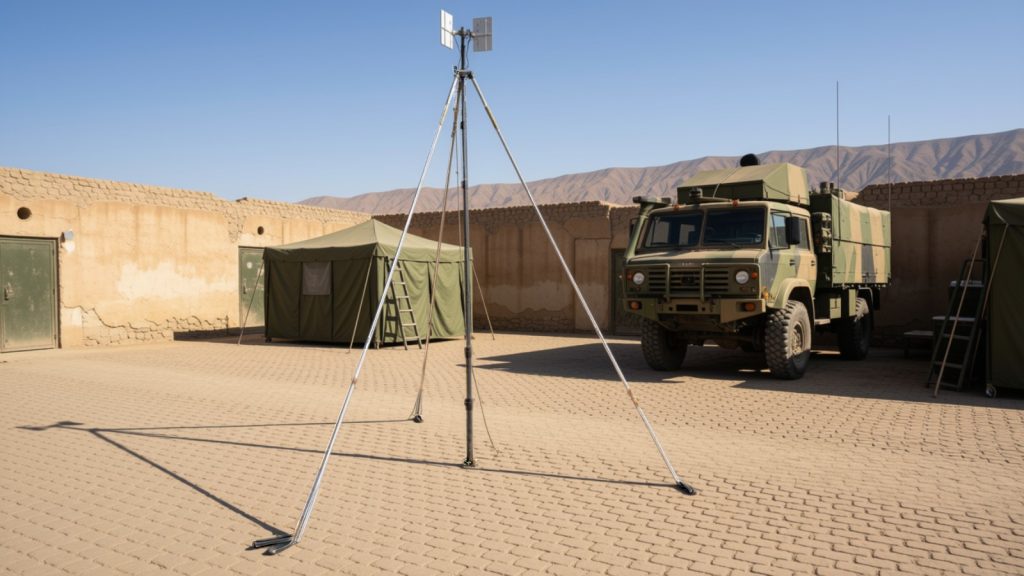



Communication downtime can cost organisations far more than the price of repairing or replacing equipment. Lost productivity, operational delays, emergency repair costs and reduced mission readiness can all have significant financial and operational consequences. Investing in reliable communication infrastructure, preventative maintenance and equipment designed for demanding environments helps minimise downtime and improve long-term operational resilience.
Whether operating in defence, emergency services, telecommunications, utilities or critical infrastructure, dependable communications are essential for maintaining safe, efficient and coordinated operations.
What is communication downtime?
Communication downtime refers to any period when communication systems are unavailable or unable to perform as intended. This may affect radio networks, RF communication systems, satellite communications, mobile communications or fixed communication infrastructure.
Downtime can result from equipment failure, environmental conditions, power outages, accidental damage or planned maintenance. While some causes cannot be avoided, many can be significantly reduced through robust engineering, appropriate equipment selection and proactive servicing.
Why is communication downtime so costly?
The cost of communication downtime extends well beyond repairing damaged equipment. Every period of lost communication has the potential to affect operational performance, productivity, safety and business continuity.
For organisations relying on mission-critical communications, even relatively short interruptions can have significant consequences. In defence, communication failures can delay decision-making and reduce situational awareness. For emergency services, they can hinder coordination between responders during critical incidents. Within transport and critical infrastructure, reliable communications support technologies such as intelligent transport systems and autonomous or connected highways, where continuous data exchange is essential for monitoring traffic, coordinating infrastructure and maintaining public safety. In utilities and telecommunications, downtime can disrupt essential services and affect thousands of users.
Beyond the immediate operational impact, communication outages can increase costs, delay projects, reduce operational resilience and undermine confidence in the reliability of critical systems.
Operational delays
Reliable communications enable teams to coordinate personnel, share critical information and make informed decisions quickly. When communication systems fail, operations can slow considerably, leading to:
• Delayed decision-making
• Reduced coordination between teams
• Slower deployment of personnel and assets
• Interrupted operational workflows
The longer communications remain unavailable, the greater the impact on operational efficiency.
Increased operational costs
Unexpected outages often generate costs that are not immediately obvious. These may include:
• Emergency equipment repairs
• Replacement components
• Additional engineering time
• Delayed projects
• Increased labour costs
• Temporary replacement equipment
• Lost operational productivity
In many cases, these indirect costs exceed the original repair cost.
Reduced operational readiness
For defence, emergency services and other mission-critical sectors, communication systems must be ready whenever they are required. Unexpected equipment failures can reduce operational capability, delay deployments and limit an organisation’s ability to respond effectively when communication is most critical.
Safety and operational risk
Reliable communications play an essential role in maintaining situational awareness, coordinating teams and supporting informed decision-making. Building resilient communication infrastructure helps organisations reduce operational risk while maintaining reliable connectivity in demanding environments.
Reputational impact
Repeated communication failures can affect customer confidence, project delivery and long-term stakeholder relationships. Reliable communication systems demonstrate professionalism, operational capability and a commitment to maintaining high service standards.
What causes communication downtime?
Many communication failures develop gradually and can often be prevented before they affect operations.
Common causes include:
• Equipment wear and ageing infrastructure
• Exposure to harsh weather and environmental conditions
• Corrosion and moisture ingress
• Inadequate preventative maintenance
• Physical damage during deployment or transportation
• Incorrect equipment selection for the operating environment
• Poor installation or integration
Identifying these risks early helps reduce unexpected failures and improve long-term system reliability.
How can communication downtime be reduced?
1. Invest in reliable communication equipment
Communication infrastructure should be designed specifically for the environment in which it will operate.
Selecting high-quality engineering solutions that match operational requirements improves reliability, extends equipment life and reduces the likelihood of unexpected failures.
2. Implement preventative maintenance
Routine inspections and planned servicing help identify worn or damaged components before they develop into costly equipment failures. A preventative maintenance programme can:
• Extend equipment lifespan
• Reduce emergency repairs
• Improve operational reliability
• Maintain system performance
• Lower whole-life ownership costs
3. Design communication systems for resilience
Critical communication systems should minimise single points of failure wherever possible. Design considerations may include:
• Backup communication systems
• Redundant equipment
• Planned maintenance schedules
• Equipment standardisation
• Contingency planning
Building resilience into communication infrastructure helps maintain operational continuity if individual components become unavailable.
4. Choose equipment suited to the operating environment
Communication equipment should be selected based on the conditions it will experience throughout its service life. Factors including wind loading, headload capacity, corrosion resistance, UV exposure, operating temperatures and deployment frequency all influence long-term reliability. Selecting equipment that matches operational demands reduces maintenance requirements and improves equipment availability.
5. Work with an experienced engineering partner
Choosing an experienced manufacturer, like SMC, provides access to technical expertise throughout the lifecycle of your communication infrastructure.
Beyond supplying equipment, the right partner can support system integration, bespoke engineering, preventative maintenance and long-term technical support to maximise operational performance and equipment longevity. SMC has more than 68 years of experience and our clients have had their masts still standing in the field more than 30 years later.
Building More Resilient Communication Systems
Communication downtime cannot always be eliminated, but it can be significantly reduced through careful planning, high-quality engineering and proactive maintenance.
Investing in reliable communication equipment, implementing preventative servicing and selecting solutions designed for demanding operational environments all contribute to greater resilience, lower lifecycle costs and improved operational readiness.
At SMC Group, we design, manufacture and support specialist communication equipment that helps organisations maintain reliable communications in challenging environments. From telescopic masts and RF communication systems to bespoke integrated solutions and preventative servicing, our in-house engineering expertise helps customers reduce downtime and maximise long-term performance.
Frequently Asked Questions
What is communication downtime?
Communication downtime is any period when a communication system cannot operate as intended due to equipment failure, maintenance, environmental conditions or other technical issues.
What causes communication downtime?
The most common causes include ageing equipment, inadequate maintenance, harsh environmental conditions, physical damage, power failures and communication systems that are not suited to their operating environment.
How can communication downtime be reduced?
Communication downtime can be reduced by investing in reliable equipment, implementing preventative maintenance, designing resilient communication systems and selecting solutions that are engineered for the intended application.
Why is preventative maintenance important for communication equipment?
Preventative maintenance identifies potential issues before they become equipment failures, helping extend operational life, reduce emergency repairs, improve reliability and lower long-term ownership costs.
Download our free SMC Servicing Guide here, or if you have a project or servicing question you’d like to discuss, you can request a quote online or email us direct at sales@smcgroupglobal.com