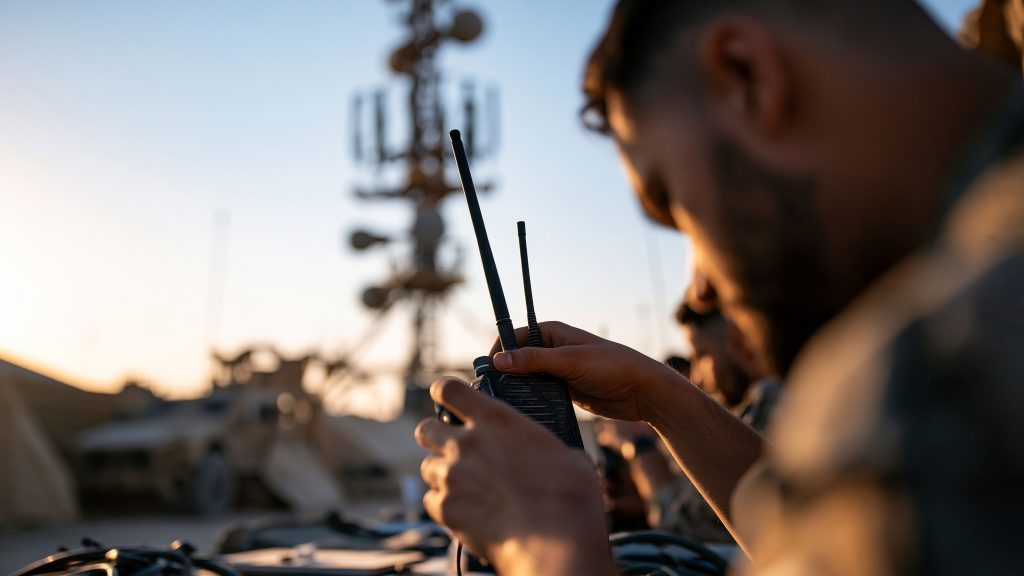


Communications equipment used in demanding environments needs to be selected according to more than its technical specification.
The operating environment can affect mechanical reliability, RF performance, deployment, maintenance and equipment lifespan.
What environmental factors should be considered when selecting communications equipment?
Before choosing communications equipment, assess the conditions it will encounter throughout its operational life.
These could include:
- Extreme temperatures
- High winds
- Rain
- Snow and ice
- Salt exposure
- Dust
- Sand
- Uneven terrain
- Limited access
- Repeated transport
1. How does Environmental Exposure affect communications equipment?
Environmental conditions can influence the materials, seals, finishes and maintenance requirements of equipment.
For example, coastal environments expose equipment to salt, which can accelerate corrosion. Dust and sand can affect moving components and increase servicing requirements. Equipment operating in these environments should be selected with appropriate materials, coatings, environmental protection measures and SMC service kit.
2. Why is Structural Loading important?
When antennas are installed on masts, the complete configuration must be assessed as a single structure.
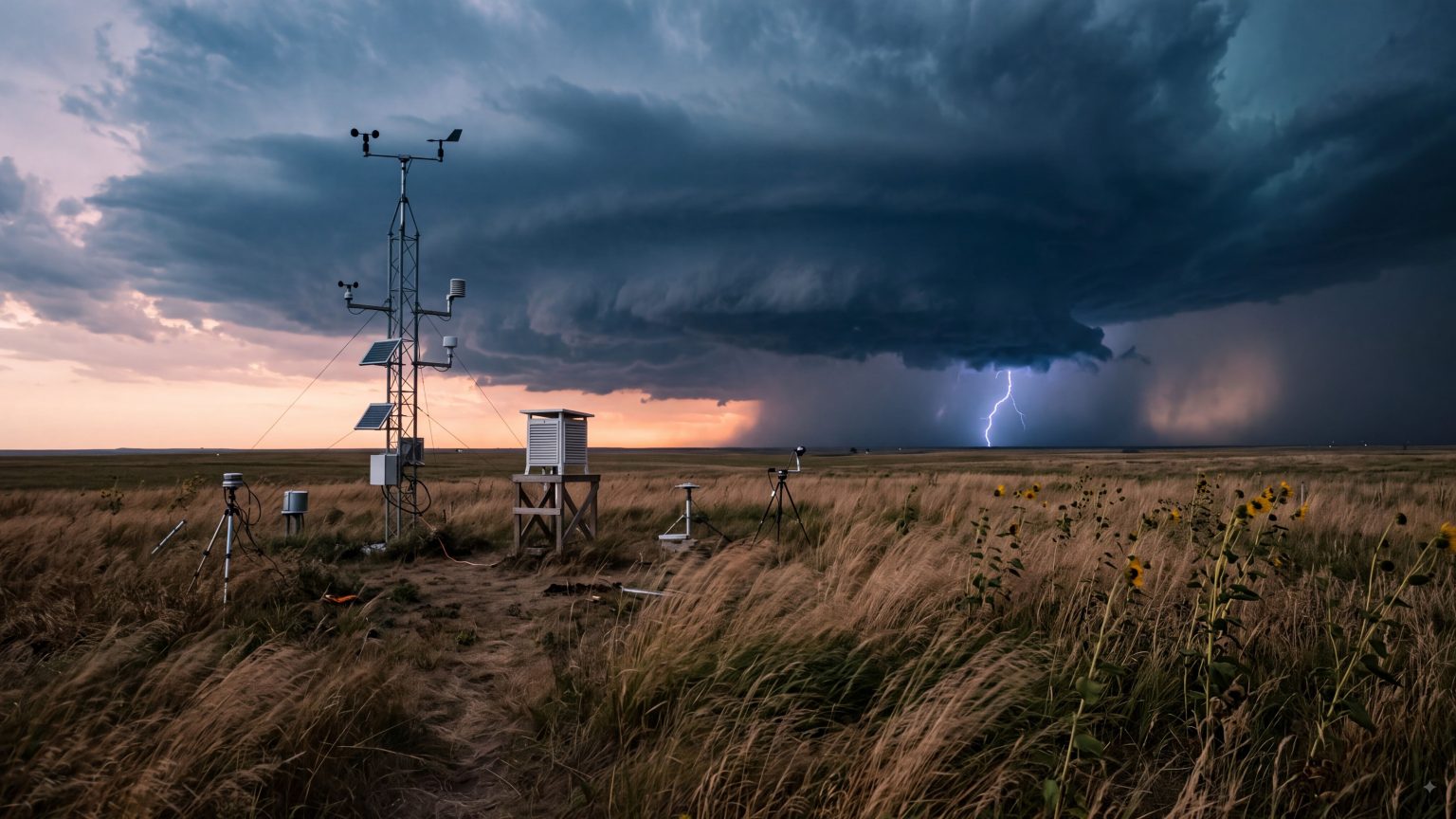
Wind loading depends on factors including the equipment exposed to the wind, the mast configuration and environmental conditions. UK guidance also identifies wind and ice loading as relevant considerations for antenna mast resilience.
3. How do Access Requirements influence equipment selection?
A highly capable system may still be unsuitable if it cannot physically reach the deployment location.
Consider how equipment will be:
- Transported
- Unloaded
- Assembled
- Maintained
- Recovered
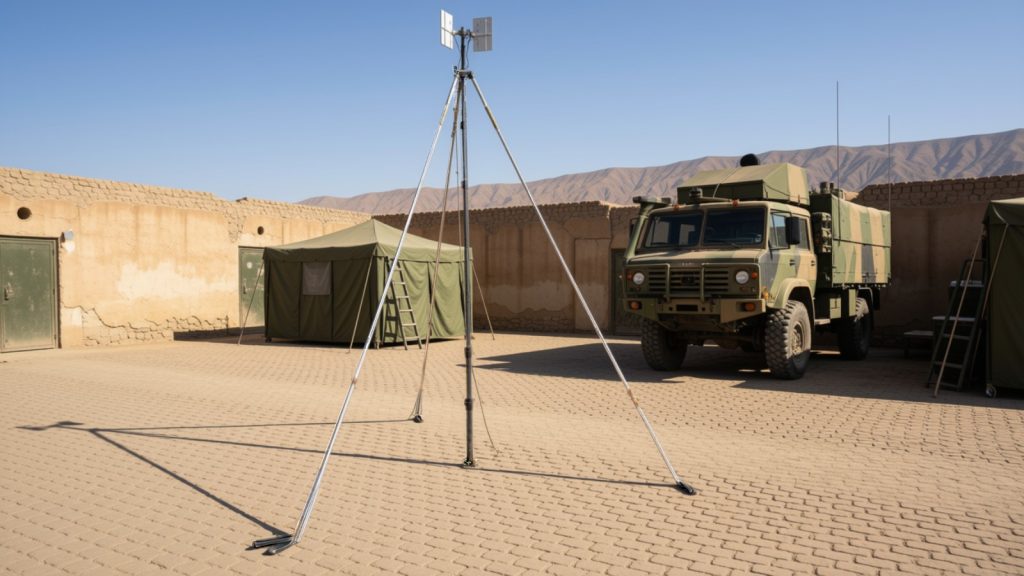
Portable and modular solutions can be particularly important for remote or temporary deployments, such as our SWIFT Series.
4. Why does Temperature matter?
Equipment should be specified for the expected operating and storage temperatures.
Temperature can affect both electronic equipment and mechanical components.
Extreme temperatures can affect:
- Electronic performance
- Battery efficiency
- Mechanical components
- Materials and seals
Selecting equipment rated for the anticipated temperature range helps reduce failures and downtime.
5.What Power Considerations are important in remote environments?
Remote and challenging environments may have limited power availability.
When designing a communications solution, consider:
- Available power sources
- Battery requirements
- Generator support
- Renewable energy integration
- Overall power consumption
Equipment should be matched to the site’s power infrastructure to ensure continuous operation.
6. How should Maintenance Requirements be evaluated?
Maintenance strategies should reflect the operating environment.
Equipment deployed in controlled indoor locations typically requires less maintenance than systems exposed to:
- Salt spray
- Sand
- Dust
- Heavy rainfall
- Severe weather conditions
Understanding maintenance requirements before deployment can help reduce operational costs and unplanned downtime.
7. Why should the Entire Communications System be considered?
Rather than selecting the antenna, mast and RF equipment independently, consider how the components will work together.
SMC provides masts, antennas and RF equipment and can support both standard and custom-engineered configurations.
An integrated approach often improves reliability, performance and ease of deployment.
8. Why is Lifecycle Cost more important than Purchase Price?
The cheapest initial option is not necessarily the most cost-effective over the equipment’s operational life.
Consider:
- Expected service life
- Maintenance
- Replacement parts
- Servicing
- Transport
- Downtime
- Future requirements
Frequently Asked Questions (FAQs)
What makes communications equipment suitable for harsh environments?
It should be appropriately designed and specified for the expected environmental, structural and operational conditions.
Does harsh environment equipment require more maintenance?
It can. Environmental exposure, frequency of use and conditions such as salt, dust and sand can affect maintenance requirements.
Can standard communications equipment be adapted for challenging environments?
Sometimes. The suitability of any adaptation depends on the original design, environmental requirements and engineering assessment.
Ready to specify communications equipment for demanding environments?
Whether you’re deploying systems in coastal regions, deserts, emergency response operations, defence applications or remote industrial sites, selecting the right communications equipment can significantly improve reliability, safety and lifecycle value.
SMC Group manufactures telescopic masts, HF antennas, RF equipment and custom-engineered communications solutions designed for challenging operational environments.
Speak with the SMC team about your application requirements at sales@smcgroupglobal.com or call +44 (0) 23 8024 6200 directly. Receive expert guidance on the most suitable communications system for your next project.