

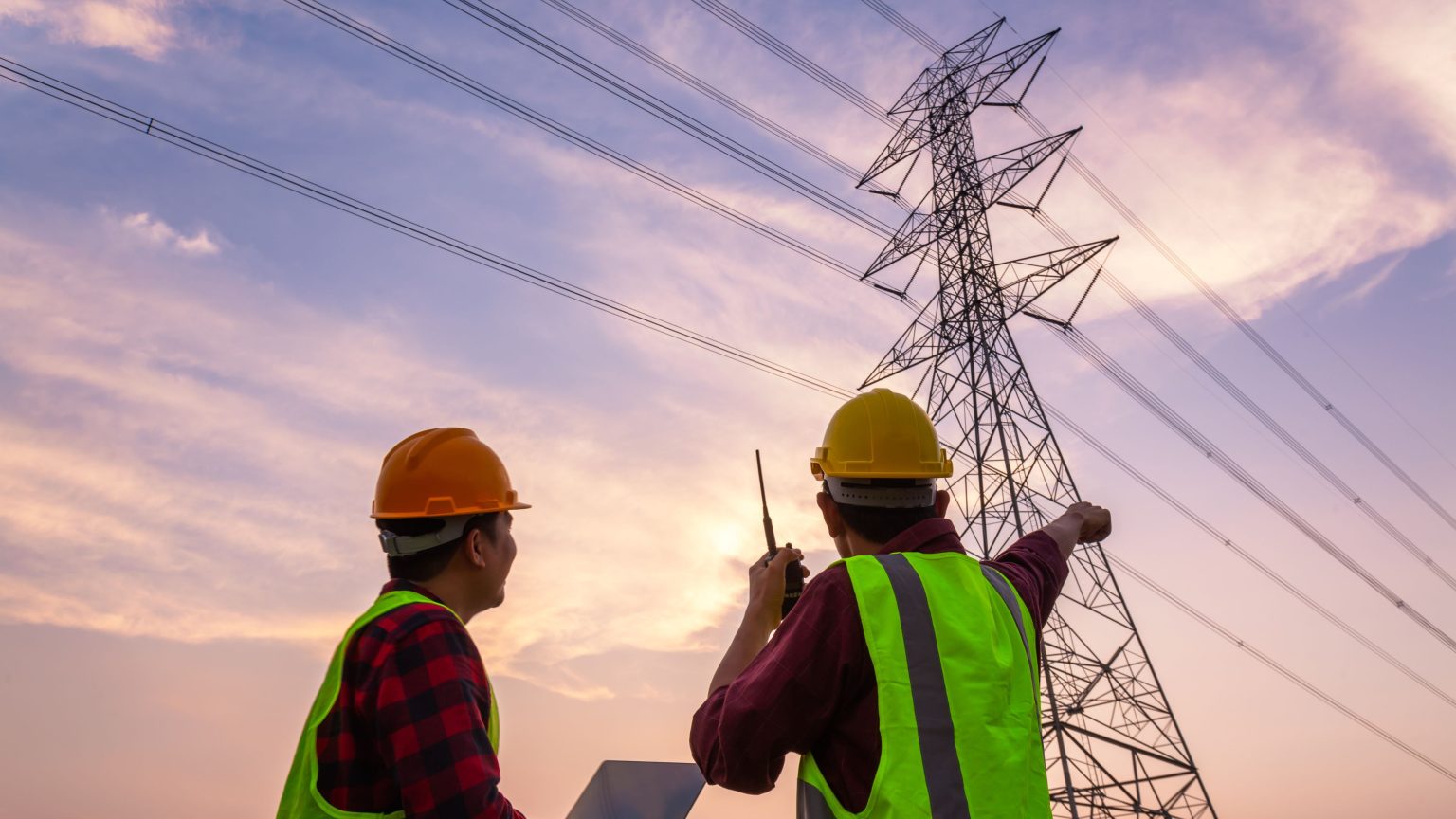
As global demand for connectivity continues to grow, the telecommunications industry faces a dual challenge: expanding network coverage while reducing environmental impact. The rollout of 5G infrastructure, increasing data consumption, and the continued need to connect remote and underserved areas all require significant investment in telecom infrastructure. However, modern network expansion must also align with broader sustainability objectives and net-zero commitments.
One area where meaningful progress can be achieved is mast design. By adopting more efficient and sustainable infrastructure solutions, network operators can reduce material usage, minimise site disruption, and lower the carbon footprint associated with deployment and maintenance activities.
At SMC, we believe that sustainable telecom infrastructure is not simply a future aspiration. It is a practical requirement for the next generation of communication networks.
The environmental impact of traditional infrastructure
Conventional telecom towers and supporting infrastructure often require extensive civil engineering works, substantial material consumption and heavy transport logistics. These factors contribute significantly to the overall environmental footprint of network deployments.
From site preparation and construction through to ongoing maintenance, traditional mast systems can generate considerable emissions. Large foundations, specialist lifting equipment and frequent maintenance visits all increase resource consumption throughout the infrastructure lifecycle.
As operators seek to balance performance requirements with environmental responsibility, alternative mast solutions are becoming increasingly important.
Designing for sustainability
Sustainable infrastructure begins with intelligent engineering. By reducing weight, simplifying installation and minimising the need for groundworks, telecom operators can achieve substantial environmental benefits without compromising network performance.
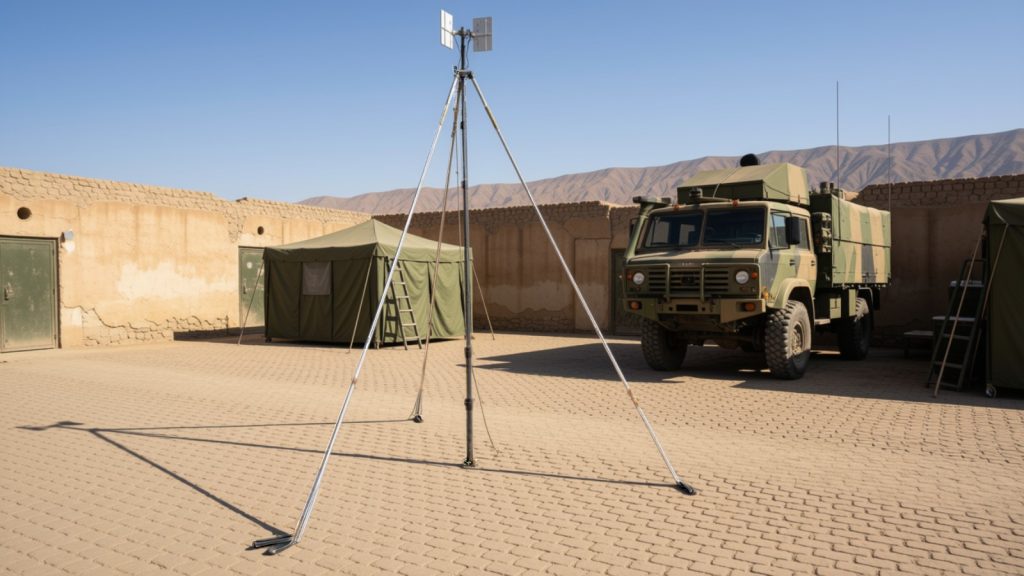
SMC’s telescopic mast systems are designed with these objectives in mind. Our heavy-duty masts provide robust and reliable support for telecommunications equipment while helping to reduce the environmental impact of deployment.
The ability to deploy infrastructure quickly and efficiently not only improves project timelines but also reduces disruption to surrounding environments, particularly in rural, environmentally sensitive or difficult-to-access locations.
The advantages of telescopic mast technology
Telescopic masts offer several sustainability advantages compared with conventional fixed structures.
Reduced site footprint
One of the most significant benefits of telescopic mast systems is their compact design. Smaller installation footprints require less land disturbance and fewer construction materials, making them particularly suitable for locations where environmental preservation is a priority.
By reducing the overall footprint of a telecom site, operators can minimise ecological disruption while maintaining the coverage and performance required by modern networks.
Lower transportation emissions
Transporting telecom infrastructure to site can account for a substantial proportion of deployment-related emissions. Lightweight, compact mast systems, such as the SWIFT series, are easier to transport and require fewer vehicle movements compared with larger conventional structures if you require a temporary solution.
SMC’s telescopic mast solutions are engineered for efficient transportation, helping operators reduce fuel consumption and associated carbon emissions throughout the deployment process.
Faster installation
Simplified installation procedures mean less time spent on-site and reduced reliance on heavy construction equipment. Faster deployments not only lower costs but also contribute to a smaller environmental footprint by reducing the energy and resources required during installation.
This efficiency becomes particularly valuable when rolling out large-scale network upgrades or expanding coverage into new regions.
Sustainable maintenance and lifecycle benefits
Sustainability extends beyond initial deployment. The long-term maintenance requirements of telecom infrastructure also play a significant role in overall environmental performance.
A key advantage of telescopic masts is the retractable design. Equipment can often be lowered to ground level for inspection, servicing or upgrades to headloads, reducing the need for cranes, elevated work platforms and other specialist machinery.
This approach offers multiple benefits:
- Reduced fuel consumption associated with maintenance activities.
- Improved technician safety through ground-level access.
- Faster servicing and reduced network downtime.
- Lower operational costs throughout the infrastructure lifecycle.
By simplifying maintenance procedures, operators can extend equipment lifespan while reducing the environmental impact of ongoing operations.
Supporting future network growth
The telecom industry is entering a period of unprecedented expansion. 5G deployment continues to accelerate, while emerging technologies such as private networks, smart cities and IoT ecosystems place increasing demands on infrastructure.
Meeting these requirements sustainably will require infrastructure solutions that are both scalable and environmentally responsible.
Telescopic mast systems provide the flexibility needed to support future network growth while helping operators achieve sustainability targets. Their adaptability allows for equipment upgrades and changing network requirements without the need for complete site redevelopment, reducing material waste and extending infrastructure lifespan.
SMC‘s commitment to sustainable engineering
At SMC, sustainability is embedded within our engineering philosophy. Our Ultralock and HD telescopic mast ranges have been developed to deliver exceptional reliability, rapid deployment capability and long-term operational efficiency while supporting the industry’s environmental objectives.
By combining robust engineering with intelligent design principles, such as the patented tri-pin locking collar, we help telecom operators build infrastructure that performs reliably in demanding environments while contributing to a more sustainable future.
Building the networks of tomorrow
As telecommunications infrastructure continues to evolve, sustainability will become an increasingly important factor in network planning and deployment decisions. Operators must balance growing connectivity demands with the responsibility to reduce environmental impact and support global decarbonisation efforts.
Sustainable mast design represents a practical and effective step towards achieving these goals. By reducing material usage, minimising site disruption, improving transport efficiency and simplifying maintenance, modern telescopic mast solutions can play a vital role in creating greener, more resilient communication networks.
If you have a project you would like to discuss, contact us direct at sales@smcgroupglobal.com, or complete our Request a Quote form here.