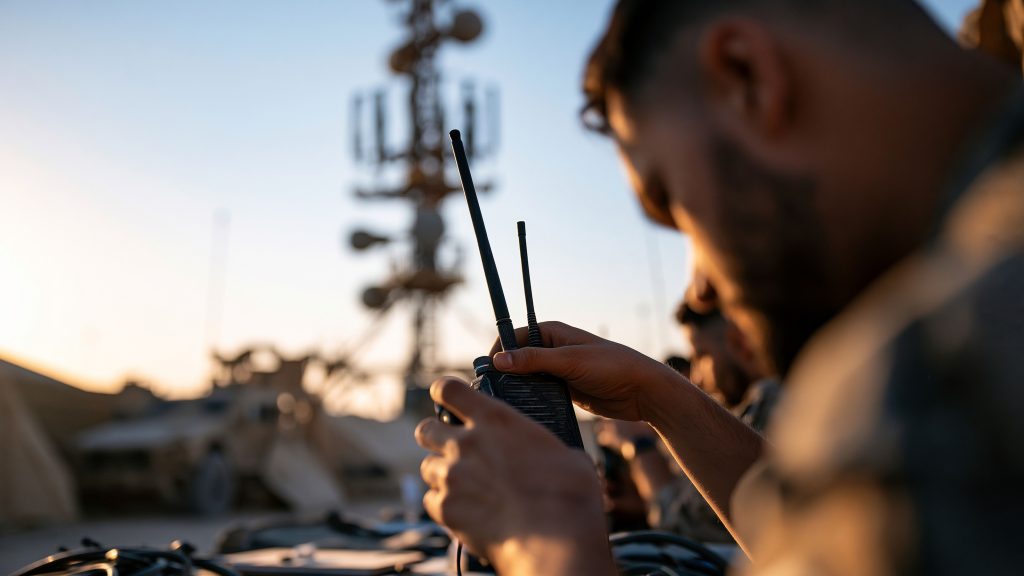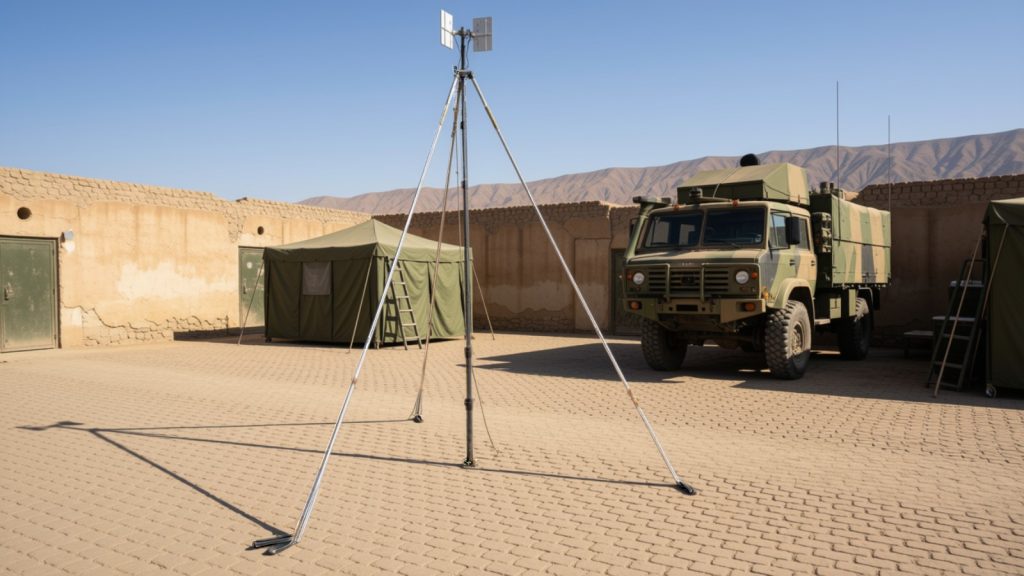


When we think of the meteorological sector, our minds often conjure up images of weather forecasters analysing satellite images and radar data. However, there is an essential but less visible aspect of meteorology that plays a crucial role in gathering accurate weather information – the use of masts and antennas. Let’s delve into the significance of these unassuming structures and how they contribute to the collection of vital weather data.
Masts and antennas serve as the backbone of the meteorological infrastructure. They are primarily responsible for collecting data from various atmospheric layers, allowing meteorologists to monitor weather patterns, study climate trends, and issue timely forecasts. At SMC we’ve been manufacturing masts and antennas for the meteorological sector for over 65 years and counting. These structures are typically placed in strategic locations, such as weather stations and research centres, to ensure comprehensive data coverage, which is why we pride ourselves on the durability and quality of the materials we use.
Remote Sensing and Instrumentation
Masts and antennas are equipped with an array of specialised sensors and instruments designed to measure different meteorological parameters. These instruments can detect temperature, humidity, wind speed and direction, atmospheric pressure, and even the concentration of various gases and pollutants. By capturing data at different heights above the ground, meteorologists can develop a better understanding of the vertical structure of the atmosphere.
Upper Atmospheric Observations
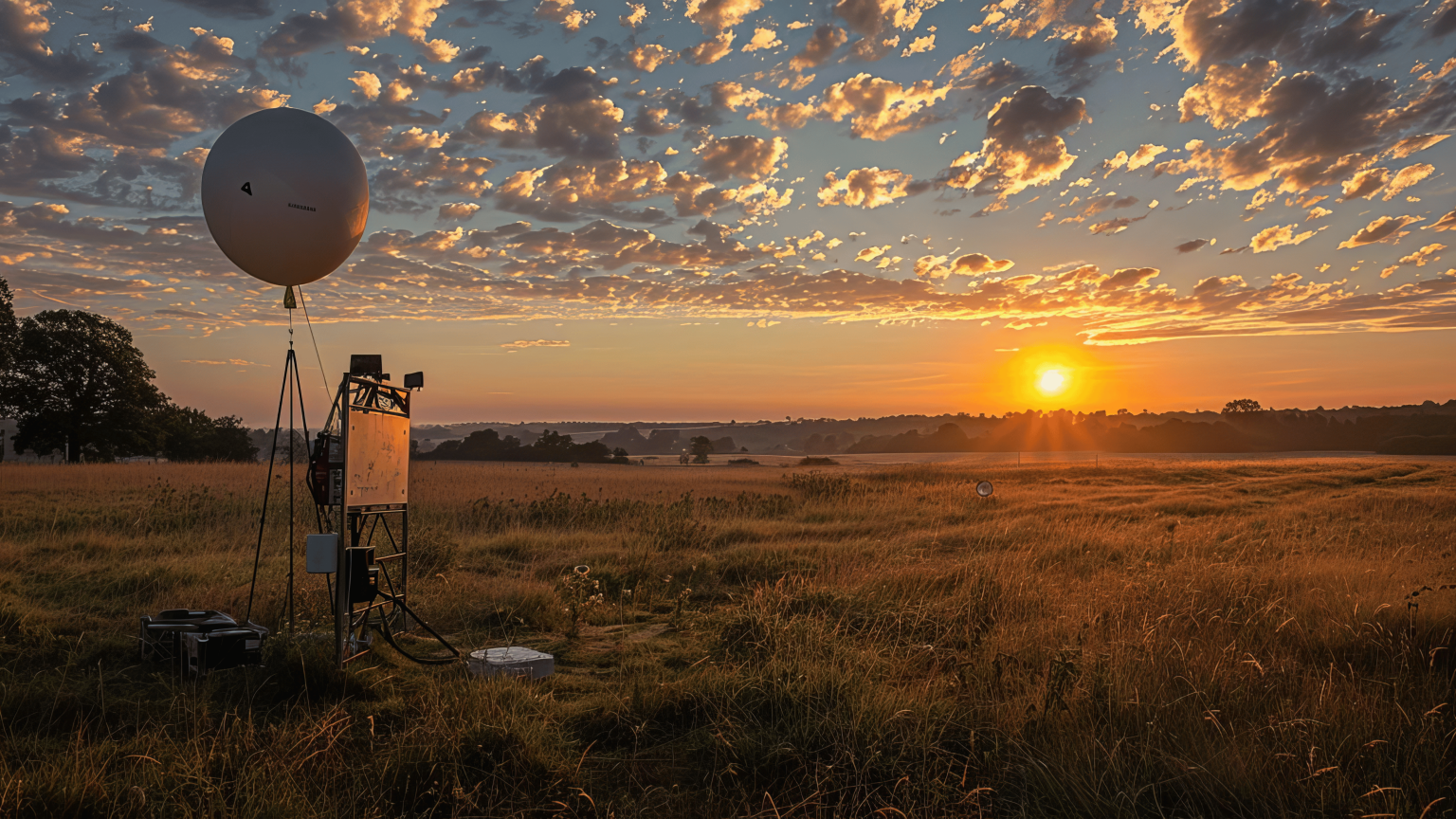
Understanding weather phenomena often requires studying conditions at high altitudes, where regular ground-based observations are not feasible. Antennas attached to weather balloons are instrumental in collecting data from the upper atmosphere. Weather balloons, fitted with radiosondes, ascend into the sky, transmitting real-time data back to ground-based stations. These observations are invaluable in predicting severe weather events, monitoring jet streams, and studying the ozone layer.
Remote Data Transmission
In many cases, weather monitoring stations are in remote or challenging terrains, such as mountaintops, oceans, or polar regions. Masts and antennas serve as communication hubs, allowing these stations to transmit their valuable data to central meteorological offices and research centres. These data transmissions are crucial for developing accurate forecasts and disseminating critical information to the public and various industries.
Satellite Communication
In addition to ground-based observations, meteorologists rely on data from weather satellites orbiting the Earth. Masts and antennas play a pivotal role in establishing communication links with these satellites, facilitating the transfer of vast amounts of data about weather patterns, cloud cover, sea surface temperatures, and more. This integration of satellite data enhances the accuracy of weather predictions and helps monitor large-scale weather systems.
While they may not be as flashy as satellite images or as prominent as weather maps, masts and antennas form an indispensable part of the meteorological sector. Through remote sensing, upper atmospheric observations, data transmission, and satellite communication, these unassuming structures provide meteorologists with critical information to understand the complexities of our atmosphere better. Their presence ensures that we receive accurate weather forecasts and warnings, which are vital in safeguarding lives, protecting infrastructure, and making informed decisions in various industries. So, the next time you see a weather station with masts and antennas, remember the invaluable role they play in keeping us prepared for the ever-changing weather patterns.
You can read more about why mast material matters in this short 1-minute read, or if you would like to discover more about how SMC can help your meteorological needs, contact us direct on 023 8024 6200.