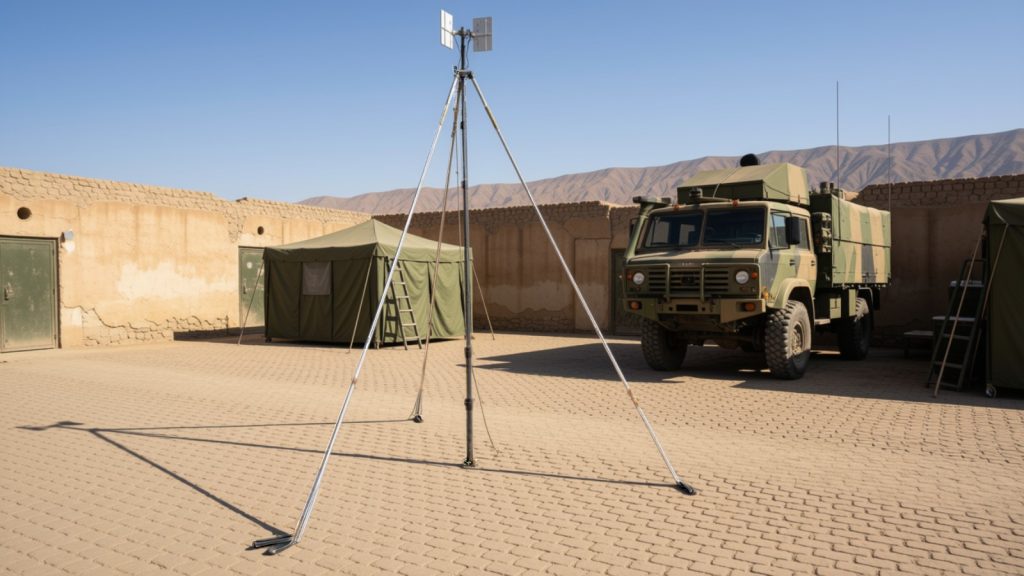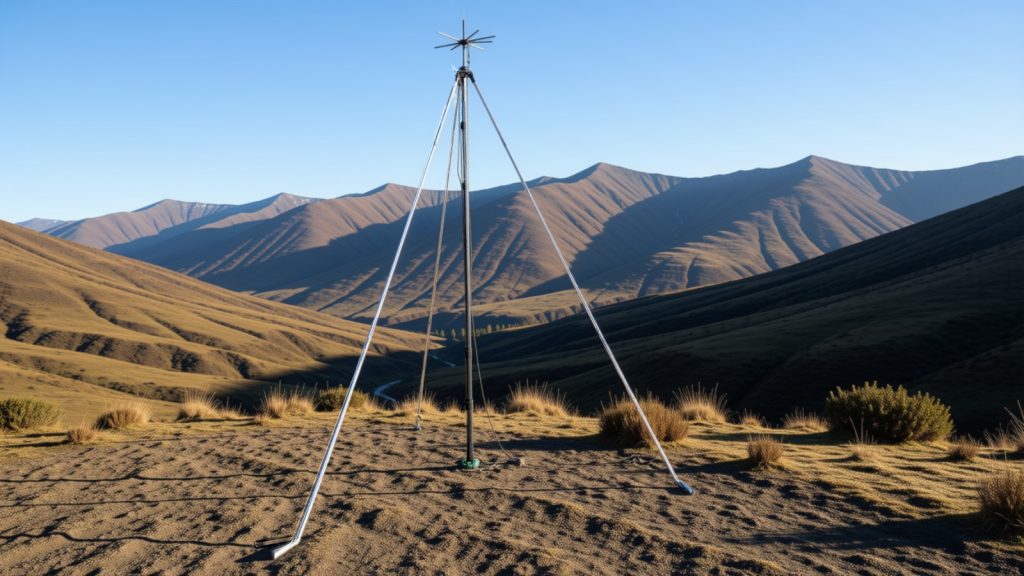


Masts and antennas play a crucial role in meteorological applications by facilitating the collection, transmission, and reception of meteorological data. Here’s how masts and antennas help with meteorology:
Weather Data Collection
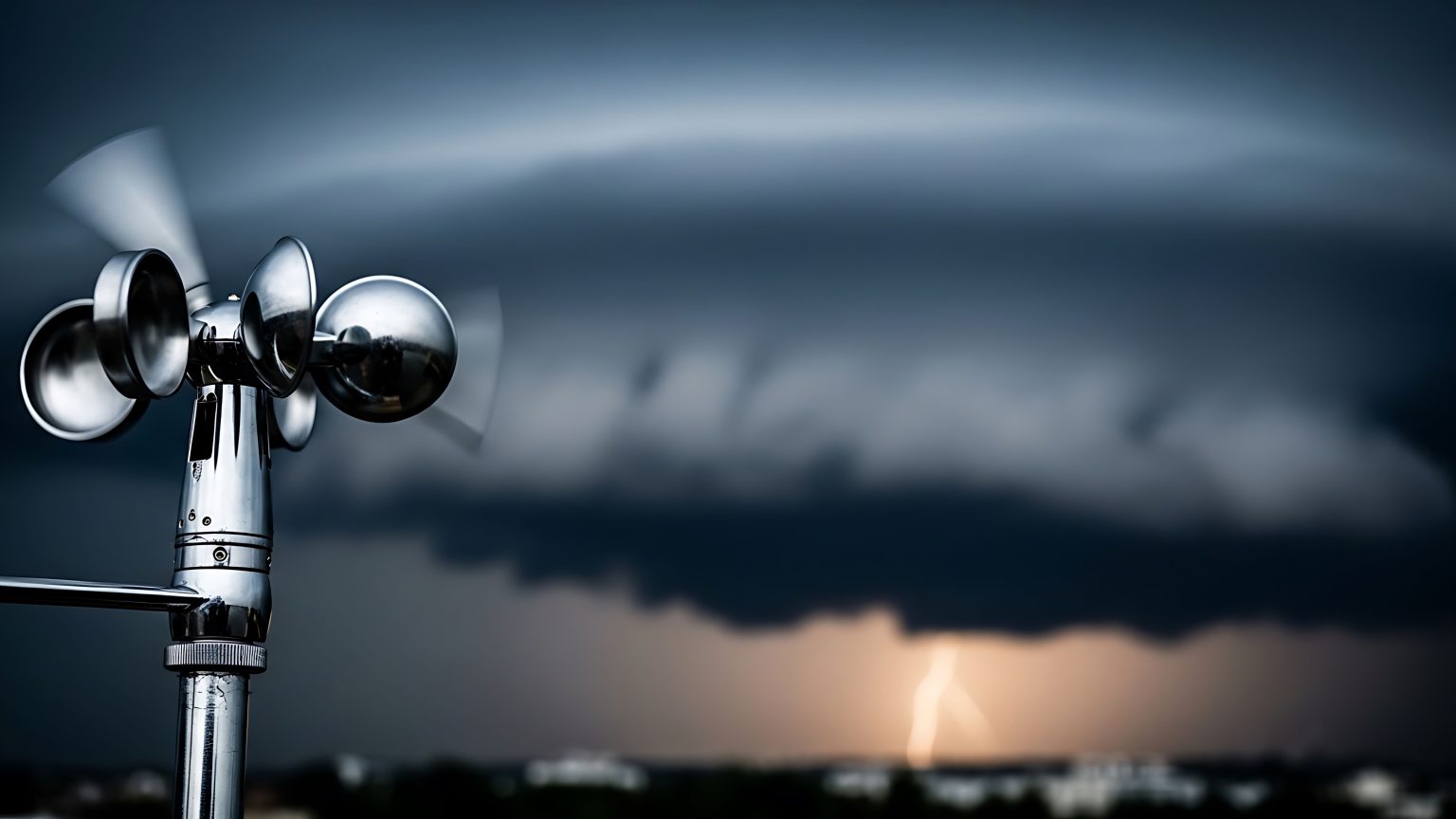
Weather stations often use masts to elevate meteorological instruments and sensors, such as anemometers (wind speed and direction), barometers (atmospheric pressure), thermometers (temperature), hygrometers (humidity), and pyranometers (solar radiation). Antennas may be used for remote sensing of weather phenomena, such as radar systems that detect precipitation.
Elevation for Accurate Readings
Placing meteorological instruments on masts allows them to be positioned above obstructions like buildings and trees, providing more accurate readings. Elevation is crucial for instruments like anemometers, which need to be placed at specific heights to capture representative wind data.
Radiosonde Launching
Radiosondes, which measure temperature, humidity, and pressure at various altitudes in the atmosphere, are attached to helium-filled balloons and launched into the atmosphere. Antennas are used to track and communicate with radiosondes during ascent, helping to gather vertical profiles of atmospheric conditions.
Radar Systems
Weather radar systems, used for detecting precipitation, severe storms, and other weather phenomena, rely on antennas mounted on tall radar towers or masts. These antennas transmit radio waves and receive reflected signals, allowing meteorologists to analyse the intensity, location, and movement of weather systems.
Satellite Communication
Weather data collected from ground-based instruments, including data from weather stations and radar systems, are often transmitted via antennas to satellite systems for broader dissemination and integration into weather forecasting models.
Remote Sensing and Satellite Ground Stations
Antennas on masts are used for ground stations that communicate with weather satellites in orbit. These stations receive satellite data, including images and other remote sensing information, which is essential for tracking weather patterns, sea surface temperatures, and atmospheric conditions.
Environmental Monitoring
In addition to meteorological instruments, masts and antennas may be used for environmental monitoring sensors that track air quality, water quality, and soil conditions. These sensors contribute to a broader understanding of environmental factors influencing weather patterns.
Data Transmission and Communication
Masts equipped with antennas support data transmission between different weather monitoring and forecasting centres, enabling real-time sharing of weather data for analysis and forecasting.
In summary, masts and antennas are essential components of meteorological infrastructure, facilitating the collection, transmission, and analysis of weather and environmental data. They improve the accuracy and reliability of weather observations and play a critical role in weather forecasting, monitoring, and research.