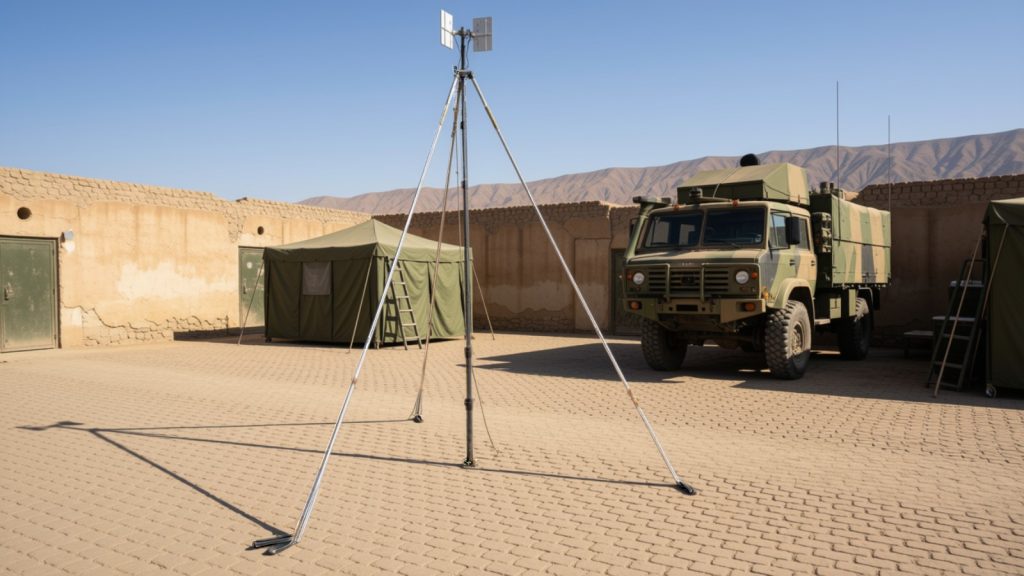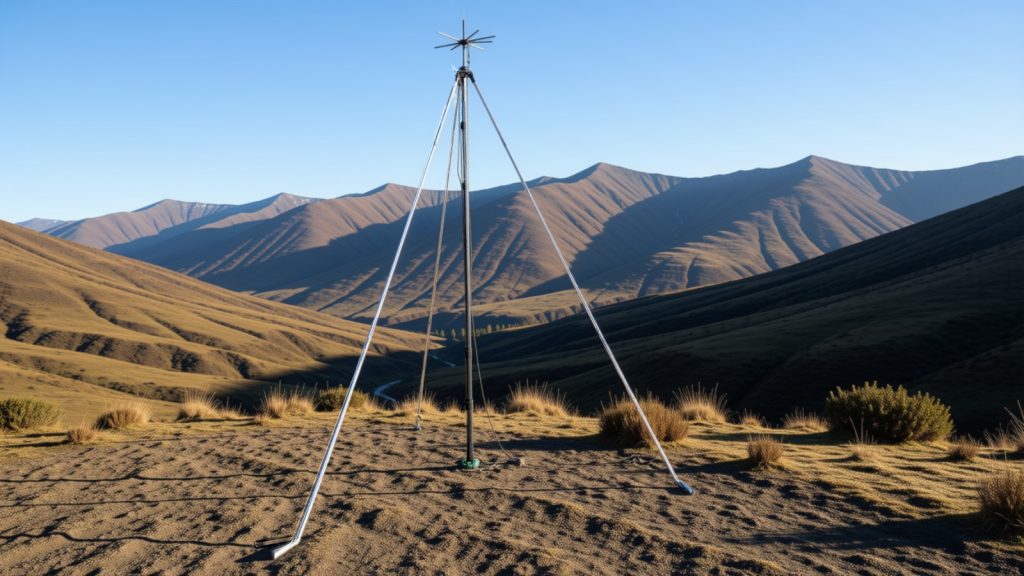


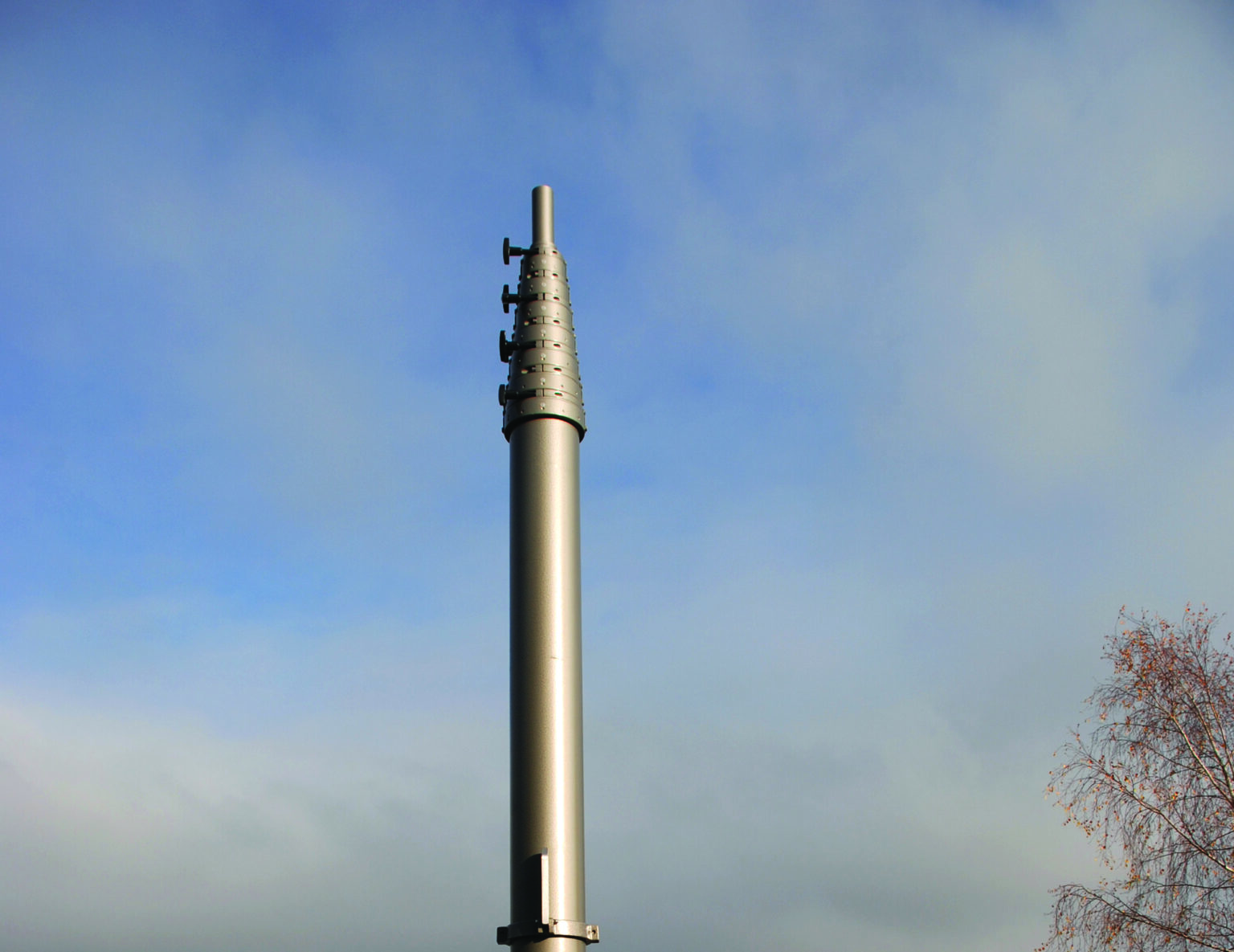
There is a lot to consider when choosing a telescopic mast. They are indispensable in a variety of sectors including broadcasting, telecommunications, emergency response, and surveillance. The right telescopic mast can significantly enhance operational efficiency and reliability. Below are five crucial factors to bear in mind when selecting a telescopic mast tailored to your unique operational demands.
Height and Reach
The efficacy of a telescopic mast is largely dictated by its height, influencing signal range and line-of-sight for communications. Determining the necessary extension height for your operational objectives is fundamental. Note as masts increase in height, they may necessitate further stabilisation to maintain functional integrity, especially under adverse weather conditions or in rugged terrains – environments where SMC masts have consistently delivered superior performance.
Load Capacity
The ability of a mast to bear the weight of attached equipment – from antennas and cameras to lighting and meteorological instruments – is crucial. The SMC design process takes into account the balance between height and load, ensuring optimal stability and performance without compromising the mast’s structural integrity, even under significant load demands.
Material and Durability
The construction material of the mast significantly impacts both its longevity and practicality. SMC masts are primarily crafted from aluminium, known for its balance between lightness and resistance to corrosion, making it ideal for diverse environmental conditions. For applications demanding even greater resilience, such as military or heavy-industrial use, SMC provides steel alternatives designed to endure the most challenging conditions.
Deployment and Portability
The deployment mechanism is vital, particularly for sectors requiring quick setups, such as emergency and field operations. SMC masts are engineered for ease of erection and retraction, ensuring rapid deployment when time is of the essence. Furthermore, the portability of a mast – influenced by its weight and collapsibility – is a critical factor for operations requiring mobility, a key consideration in SMC’s design ethos.
Compatibility and Integration
Ensuring that the mast is compatible with existing communication systems and auxiliary equipment is essential for seamless operation. SMC masts are designed with versatility in mind, facilitating integration with a broad range of equipment and systems, thereby enhancing functionality across various applications.
Choosing a telescopic mast is a multifaceted process that requires careful consideration of height, load capacity, material, deployment, and compatibility. SMC’s expertise in crafting custom solutions ensures that every mast is not just a tool but a tailored extension of your operational capabilities. For a comprehensive solution tailored to your needs, explore SMC Group’s extensive selection of masts and custom design services, ensuring your operations are always at peak performance. Call us direct +442380246200 (UK) or +1(386)221-5007 (US), to learn more or browse our range online.