

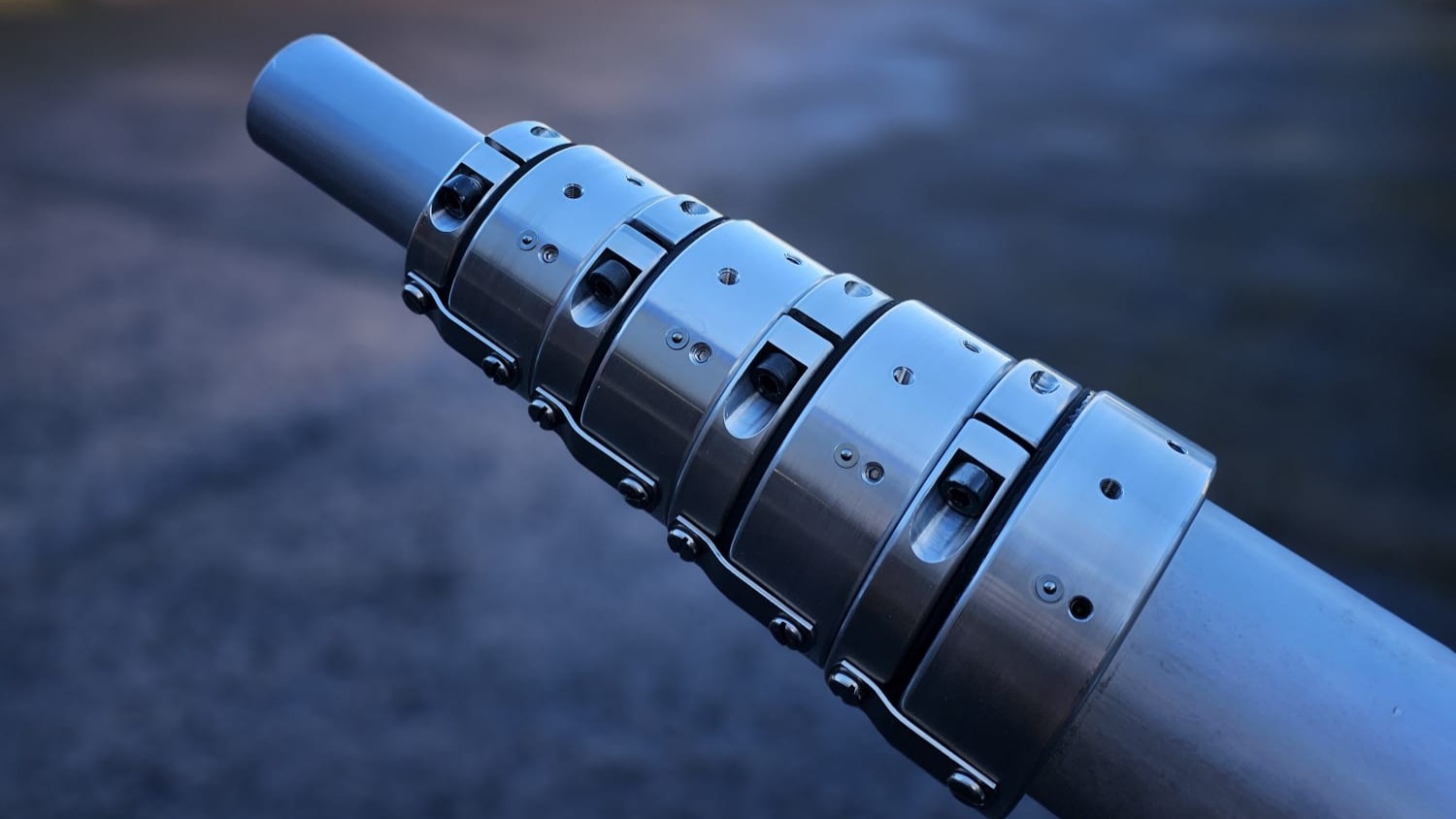
Telescopic and winch-operated masts provide defence users with proven and adaptable methods for elevating antennas and communication equipment in operational environments. SMC Group designs both mast types to support tactical, transportable, and semi-permanent defence communication systems where reliability and controlled deployment matter.
Operational Characteristics of Telescopic Masts
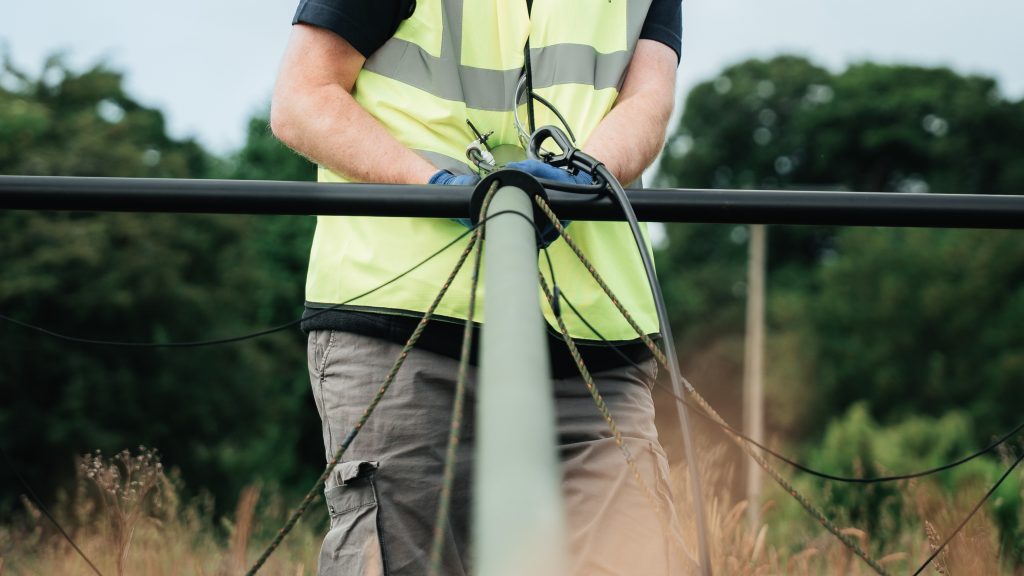
Telescopic masts extend by manually raising nested mast sections and locking them securely into position. SMC Group supplies telescopic mast systems that prioritise rapid deployment and straightforward operation, meaning defence teams can establish communication links quickly when operational timelines remain tight.
Push-up telescopic masts reduce reliance on powered equipment, which simplifies logistics in the field. In addition, their compact stowed length suits transport by vehicle and manual handling. These characteristics allow defence units to deploy telescopic and winch-operated masts efficiently in dynamic and mobile environments.
Telescopic mast systems also integrate with a wide range of antenna types supplied by SMC Group. This compatibility allows engineers to configure communication systems that match specific frequency and coverage requirements.
Capabilities of Winch-Operated Masts
Winch-operated masts raise and lower mast sections using a mechanical winch system that provides controlled and predictable movement. This approach supports higher headloads and improves safety when deploying heavier antennas or equipment. That’s why defence users often select winch-operated masts for extended deployments or payloads that demand precise handling.
SMC Group winch-operated mast systems offer repeatable height control, which helps engineers maintain consistent antenna positioning across multiple deployments. Consistent positioning supports stable communication performance and predictable system behaviour.
Selecting the Appropriate Mast Solution
Engineers must assess payload weight, deployment duration, and environmental conditions when selecting between telescopic and winch-operated masts. Telescopic and winch-operated masts each provide distinct advantages depending on operational priorities while maintaining compatibility with SMC Group antenna and support systems.
By understanding the performance characteristics of telescopic and winch-operated masts, defence users can select mast solutions that deliver reliable elevation, controlled deployment, and stable performance across varied defence communication applications.
Build resilient missions. Enable secure communications. Download our whitepaper on modern defence infrastructure here
Get in touch with our team today: sales@smcgroupglobal.com, or call +442380246200 (UK). You can also request a quote here.