

Antenna systems enable the transmission and reception of radio frequency (RF) signals that support critical infrastructure. They play a key role across defence, emergency response, telecommunications, broadcasting and environmental monitoring, enabling reliable communications and informed operational decision-making.
At SMC Group, antenna systems are designed and manufactured to support a wide range of industries where reliable communication, signal clarity and environmental resilience are essential. Understanding how antennas function and how they are applied across different sectors helps organisations select solutions that align with their technical and operational requirements.
Antenna Systems
An antenna converts electrical signals into radio waves and vice versa, allowing wireless communication between systems. While the concept is relatively straightforward, the performance of an antenna depends on careful engineering considerations including frequency range, radiation pattern, gain, bandwidth and environmental durability.
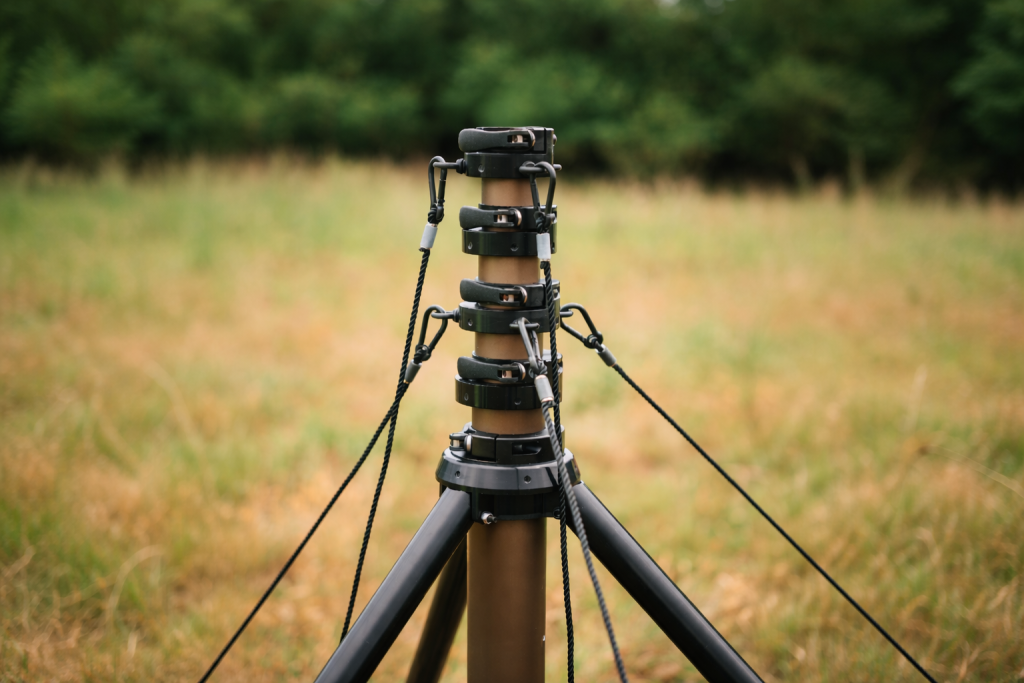
In many applications, antennas must operate in demanding conditions while maintaining stable and consistent performance. They are often installed on masts, vehicles, buildings or remote infrastructure, where they must withstand wind, temperature fluctuations and long-term exposure to environmental factors.
The design and placement of an antenna can significantly influence signal strength, coverage area and overall system reliability.
Defence and Tactical Communications
In defence environments, antennas are used to support secure communications, electronic surveillance and situational awareness systems.
Reliability and adaptability are critical in this sector. Antennas must operate across multiple frequency ranges while maintaining performance in harsh operational environments. They may also be integrated into mobile platforms, vehicle systems or temporary field installations, requiring robust construction and efficient deployment.
Effective antenna performance enables reliable communication between personnel, command centres and operational units, particularly in remote or contested environments.
Security
Security organisations and infrastructure operators rely on antenna systems to support wireless communication networks, monitoring systems and detection technologies. These systems allow operators to transmit data between sensors, control centres and response teams.
In critical infrastructure environments such as airports, energy facilities and public spaces, antenna systems contribute to coordinated security operations by enabling real-time communication and monitoring capabilities.
Engineering considerations often include signal coverage, interference management and compatibility with existing communications networks.
Telecommunications
In telecommunications, antennas are fundamental to wireless network operation. They are used in base stations, repeaters and point-to-point communication links that support mobile networks, broadband connectivity and data transmission.
Telecommunications antenna systems must be carefully engineered to achieve optimal coverage and capacity. This includes selecting antennas with appropriate radiation patterns and gain characteristics to maximise signal propagation while minimising interference between neighbouring systems.
The increasing demand for connectivity across both urban and remote areas continues to place emphasis on antenna performance and network efficiency.
Broadcast and Media Transmission
Broadcast organisations rely on antennas to transmit television, radio and digital media signals over large geographic areas. In this sector, antennas are designed to provide consistent signal coverage while maintaining broadcast quality.
Antennas used in broadcasting must operate across defined frequency bands and maintain stable performance during extended operation. They are commonly installed on towers, masts or mobile broadcast vehicles, depending on the nature of the broadcast infrastructure.
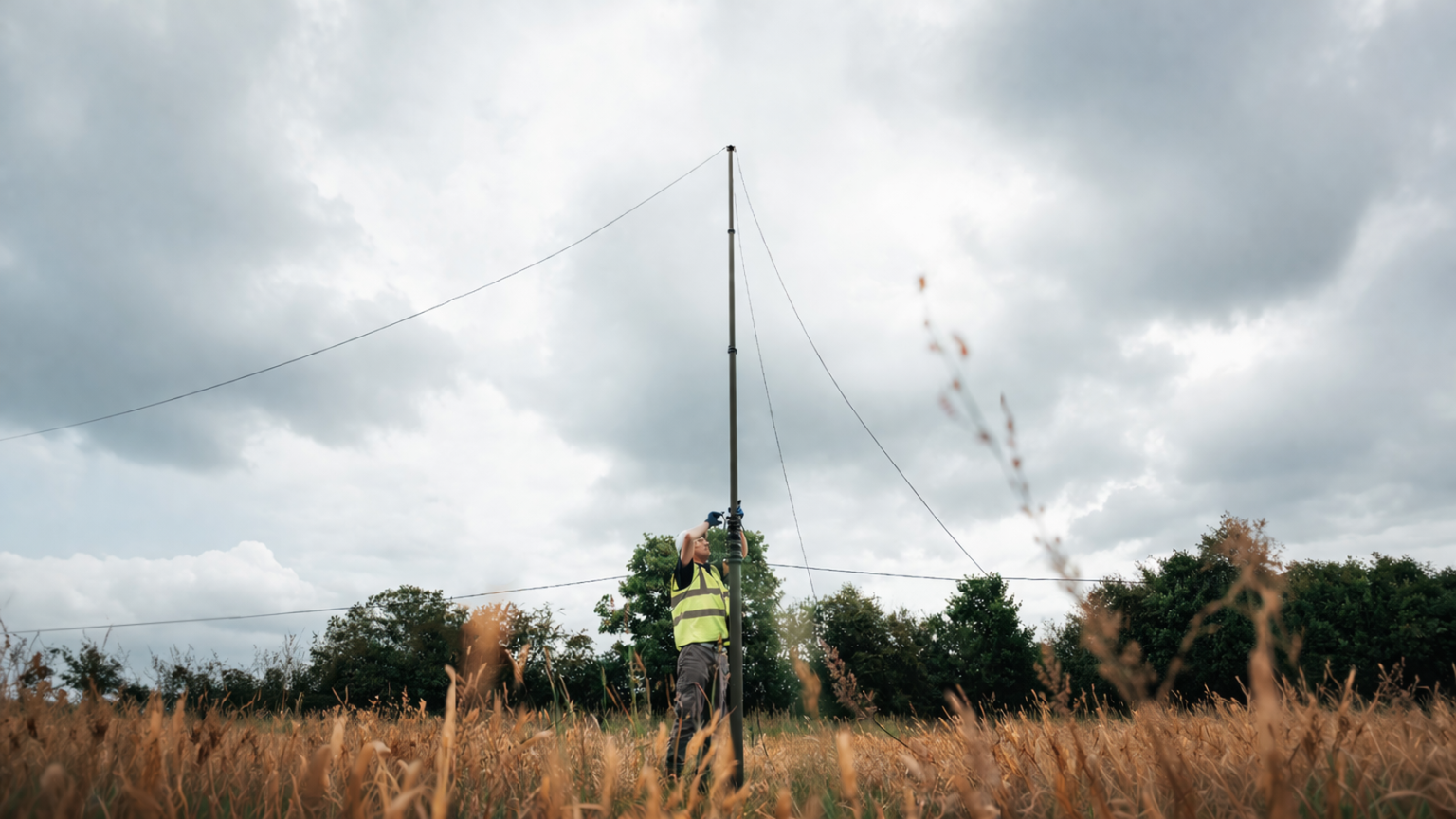
For outside broadcast operations and live events, portable or temporary antenna installations may be required to establish communication links between production equipment and broadcast networks.
Utilities
Utilities and infrastructure operators depend on reliable communication networks to monitor and control distributed assets such as substations, pipelines, renewable energy installations and water treatment facilities.
Antenna systems support remote telemetry, SCADA communications and environmental monitoring systems that transmit operational data to control centres. Because these installations are often located in remote areas, antennas must provide dependable performance with minimal maintenance.
Design considerations typically include durability, resistance to environmental exposure and compatibility with low-power communication systems.
Transport
In transport networks, antennas enable communication between vehicles, control systems and operational infrastructure. Rail networks, logistics operations and intelligent transport systems all rely on wireless data exchange to support safety monitoring, tracking and operational coordination.
Antennas installed in transport environments must withstand vibration, movement and varying weather conditions while maintaining stable signal performance. They are often integrated into vehicles, signalling infrastructure or roadside equipment.
Reliable communication across transport networks contributes to safer operations and improved system efficiency.
Meteorological and Environmental Monitoring
Environmental monitoring and meteorological research rely on antenna systems to transmit data collected by remote sensors and measurement instruments. Weather stations, atmospheric monitoring platforms and research installations frequently use wireless communication to relay environmental data.
Antenna performance in this context must remain consistent over long periods, often in exposed environments. Reliable data transmission ensures that researchers and forecasting organisations can access accurate information for analysis and modelling.
Emergency Services
Emergency services and humanitarian organisations rely heavily on wireless communication systems during crisis situations. Antennas enable rapid deployment of temporary networks that support coordination between responders, command centres and support teams.
During disasters or large-scale incidents, conventional communication infrastructure may be damaged or unavailable. Portable antenna systems can help restore connectivity, enabling essential communication and information sharing when it is needed most.
Engineering Considerations in Antenna Design
Across all sectors, antenna performance depends on several key engineering principles. These include selecting the appropriate frequency range, ensuring the antenna provides the required radiation pattern and gain and designing structures that can withstand environmental stresses. Material selection and construction methods must also ensure durability and reliability throughout the antenna’s operational lifecycle. In many applications, antennas must integrate seamlessly with supporting structures such as masts, vehicles or fixed infrastructure.
Careful engineering ensures antennas deliver consistent performance while meeting the operational demands of the systems they support. Understanding how antenna systems function and where they are applied helps organisations deploy communication infrastructure that meets both technical requirements and environmental challenges.
If you have any questions or would like to discuss your requirements, our team would be happy to help: sales@smcgroupglobal.com, or call +442380246200 (UK). You can also request a quote here.