

Impedance matching in defence RF systems plays a critical role in maintaining reliable communication performance across demanding operational environments. SMC Group supplies RF baluns and matching transformers designed to support antenna systems used in defence, tactical, and secure communication applications.
Why Impedance Matching Matters in Defence Applications
Impedance mismatches reduce signal transfer efficiency and can negatively affect system performance. Therefore, impedance matching in defence RF systems remains essential for maintaining predictable and stable communication links. Defence communication systems often operate across HF and MF frequency ranges, where impedance consistency directly influences system effectiveness.
SMC Group RF components support antenna systems deployed in transportable, fixed, and tactical configurations. These deployments require consistent RF behaviour despite changing environments and installation conditions.
The Role of Baluns in RF Systems
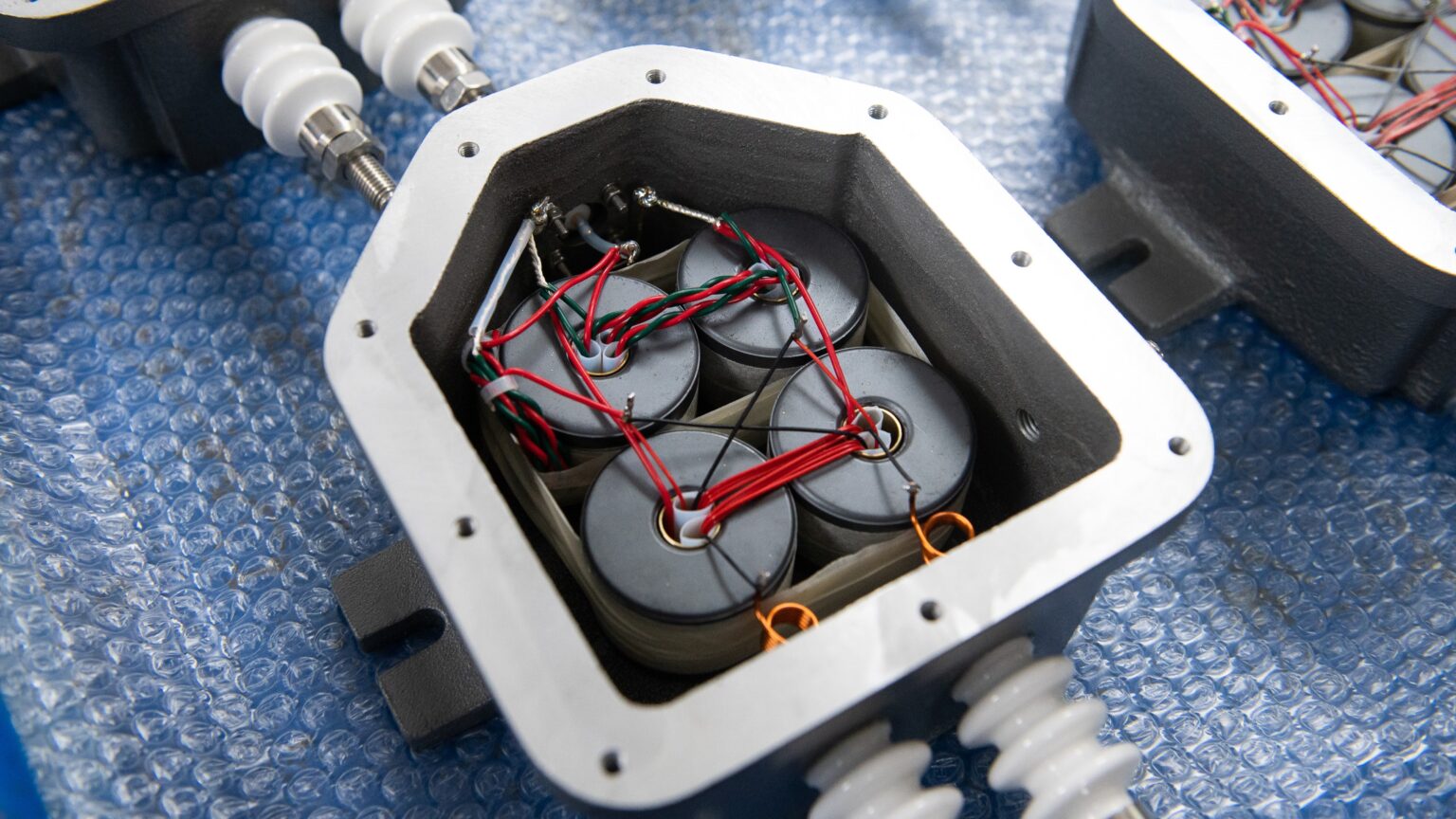
Baluns perform the function of converting balanced antenna outputs to unbalanced transmission lines. Many antenna types supplied by SMC Group, including dipole configurations, require baluns to ensure correct signal transfer. By managing this transition, baluns help maintain signal integrity across the RF system.
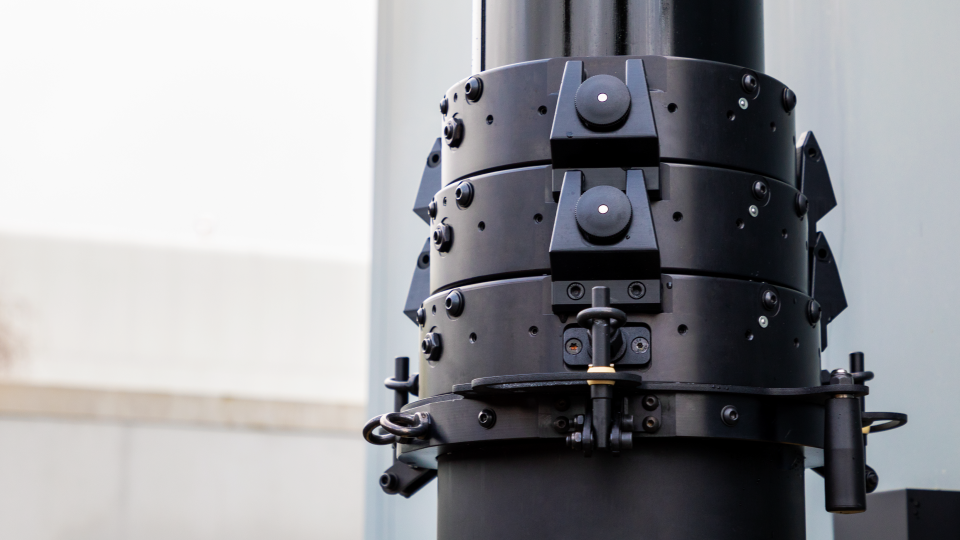
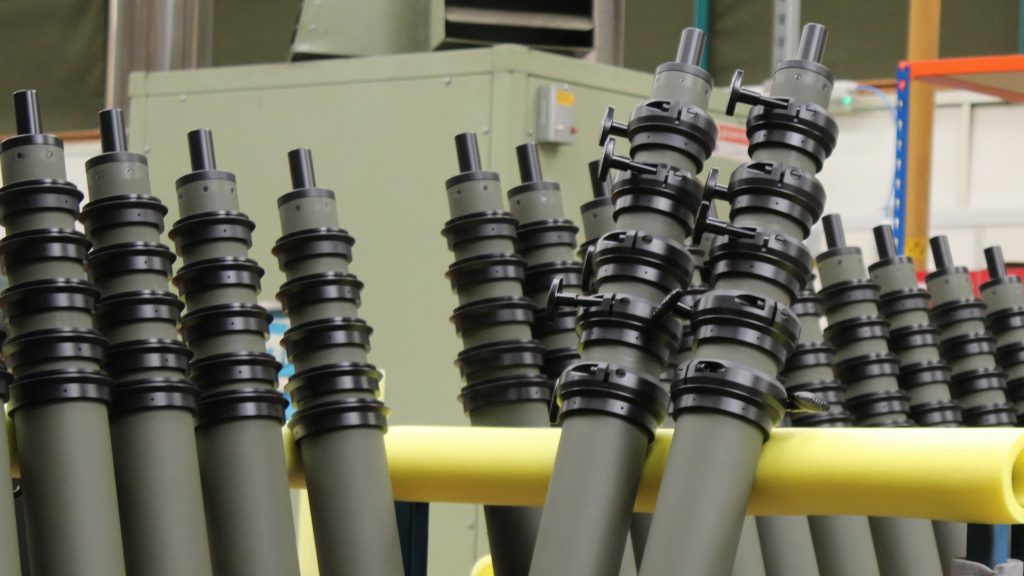
SMC Group baluns integrate with antenna and mast systems, which allows engineers to implement impedance matching in defence RF systems without complex adaptation.
Matching Transformers and System Integration
Matching transformers adjust impedance levels between antennas and connected RF equipment. This adjustment supports efficient power transfer and helps maintain stable operating conditions. SMC Group designs matching transformers to align with the impedance characteristics of its antenna products.
This means that engineers can deploy RF systems that remain consistent across multiple installations. Matching transformers also support transportable systems where setup conditions may vary between deployments.
Benefits Across Defence Communication Architectures
Proper impedance matching improves overall system efficiency and supports predictable RF performance, and SMC Group baluns and transformers allow defence users to configure antenna systems that integrate cleanly with existing RF infrastructure.
By applying impedance matching in defence RF systems using SMC Group baluns and transformers, defence engineers can achieve reliable signal transfer, consistent performance, and robust communication across a wide range of operational environments.
Build resilient missions. Enable secure communications. Download our whitepaper on modern defence infrastructure here
Get in touch with our team today: sales@smcgroupglobal.com, or call +442380246200 (UK). You can also request a quote here.