

Integrated systems play an increasingly important role in modern infrastructure, enabling multiple technologies to function together as a unified solution. Rather than operating independently, communications equipment, antennas, mast systems, sensors and control technologies can be combined into coordinated systems designed to support specific operational objectives. This integration allows organisations to deploy infrastructure that is more efficient, reliable and easier to manage in complex environments.
Integrated systems are used across a wide range of sectors, including defence, telecommunications, utilities, transport, broadcast, environmental monitoring and emergency services. By bringing together multiple components into a single operational framework, these systems support the transmission of information, monitoring of assets and coordination of activities across dispersed locations.
Understanding Integrated Systems
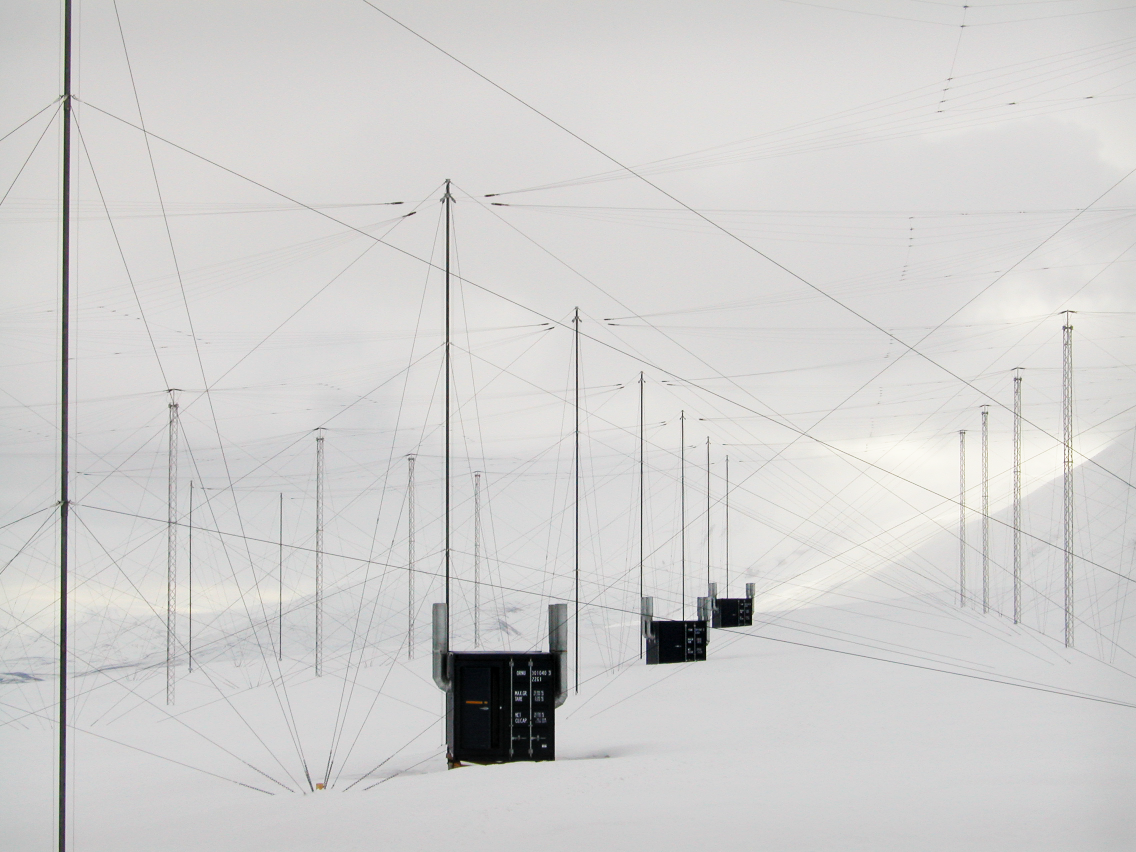
An integrated system combines several technical components so they function as a cohesive operational solution. In wireless infrastructure, this may involve the integration of antennas, mast structures, RF communication equipment, power systems, sensors and network management technologies. Each component is designed to work alongside the others, ensuring compatibility and efficient operation.
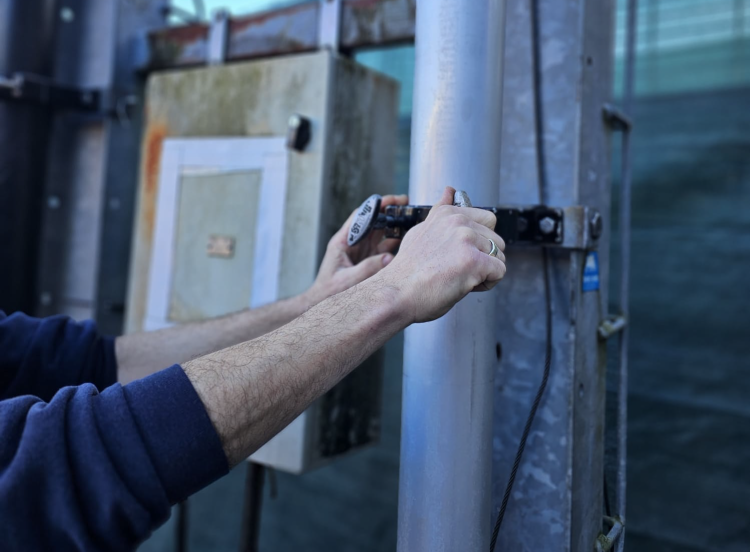
Integration also involves careful planning of power supply, data connectivity, mounting arrangements and environmental protection. The objective is to ensure that all elements of the system operate reliably together, rather than as separate standalone devices. This approach can simplify deployment, improve operational performance and reduce the complexity of managing multiple technologies.
Defence and Tactical Operations
In defence environments, integrated systems are used to support communication, surveillance and operational coordination across wide and often challenging areas. These systems may combine antennas, RF communication equipment, mast platforms and monitoring devices to provide deployable communications capability and situational awareness.
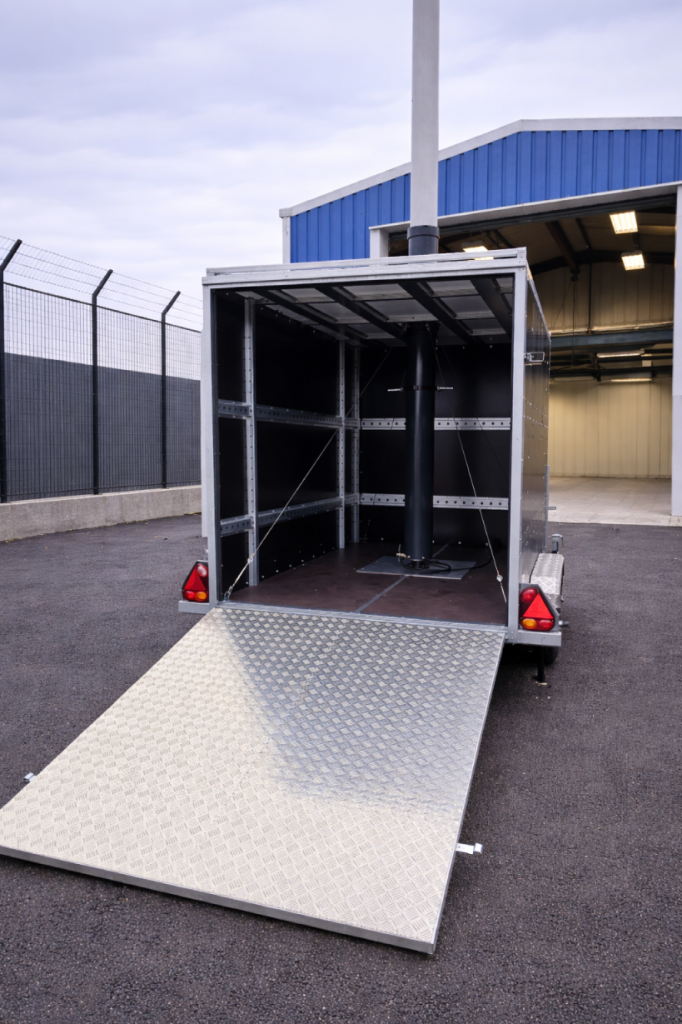
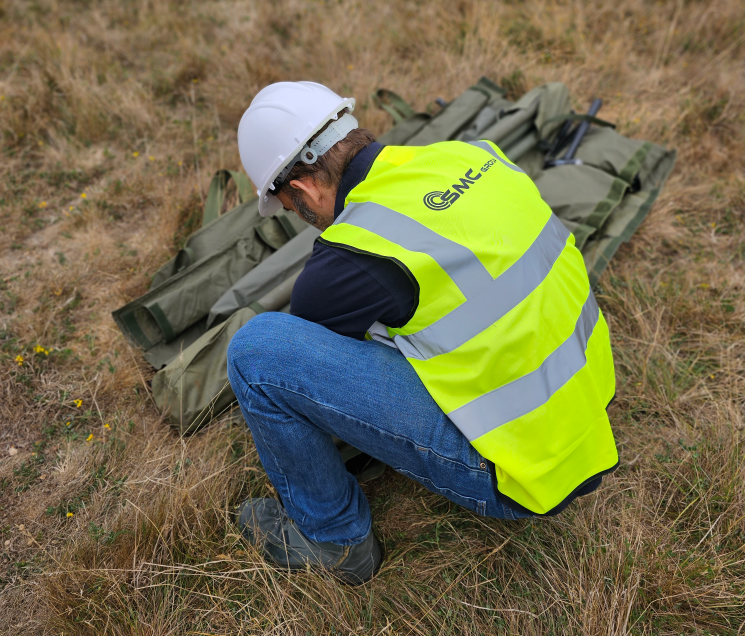
They are frequently designed for mobility and rapid deployment, with equipment installed on vehicles, trailers or portable structures that can be transported and established in remote locations. By integrating communications infrastructure with the necessary supporting hardware, these systems help ensure reliable connectivity and information exchange during dynamic operations.
Security
Security operations frequently rely on integrated systems that connect monitoring equipment, communications networks and control platforms. Cameras, sensors and wireless communication systems can be linked to provide coordinated situational awareness across facilities such as transport hubs, energy sites and public infrastructure.
Integration enables operators to collect data from multiple sources and transmit it to central monitoring systems where it can be analysed and acted upon. By combining surveillance, communication and monitoring technologies, organisations are able to maintain oversight of complex environments and respond effectively to incidents.
Telecommunications
In telecommunications infrastructure, integration is essential for the efficient operation of wireless networks. Antennas, transmission equipment, mounting structures and power systems must work together to ensure consistent network coverage and reliable service delivery.
Integrated telecommunications systems often include base station equipment, antennas, backhaul links and monitoring technologies that allow network operators to manage performance remotely. Effective integration helps ensure that each component operates within its intended parameters while contributing to overall network reliability and capacity.
Broadcast and Media Infrastructure
Broadcast and media organisations rely on integrated systems to support the transmission and distribution of content. Transmission equipment, antennas, signal processing systems and supporting structures are combined to form broadcasting infrastructure capable of delivering television and radio services across wide geographical areas.
Integration is particularly important in outside broadcast and event production environments, where temporary systems may be deployed to transmit audio, video and operational data between mobile production equipment and central broadcast facilities. Coordinating these technologies ensures reliable signal transmission and consistent production quality.
Utilities
Utilities and infrastructure operators increasingly use integrated systems to monitor and manage distributed assets. Communications equipment, environmental sensors, telemetry systems and network control technologies can be combined to create monitoring platforms that provide real-time data from remote locations.
These integrated systems enable organisations to supervise large networks of infrastructure, including power generation facilities, renewable energy installations, water treatment systems and pipeline networks. By connecting monitoring equipment with communication systems, operators can receive operational data, detect faults and manage assets more effectively.
Transport
Transport networks rely on integrated systems to support communication, monitoring and operational control. Wireless communication equipment, monitoring sensors and infrastructure control systems are often combined to create coordinated platforms that support safe and efficient operations.
In rail networks, for example, integrated systems may connect signalling infrastructure, monitoring equipment and communications networks. In logistics environments, wireless communication systems can be integrated with tracking and monitoring technologies to support the movement of goods and vehicles across complex transport networks.
Meteorological and Environmental Monitoring
Integrated systems are also widely used in environmental monitoring and meteorological research. Measurement instruments, data logging equipment and wireless communication technologies are combined to collect and transmit environmental data from monitoring stations.
These systems allow researchers and forecasting organisations to gather information on atmospheric conditions, climate patterns and environmental changes from remote locations. Integration ensures that sensors, data processing equipment and communication links function together reliably, enabling continuous data collection and transmission.
Emergency Services
Emergency services and humanitarian organisations often rely on integrated systems during crisis response operations. Portable communication equipment, antennas, power supplies and monitoring devices can be combined into deployable systems that provide rapid communication capability in areas where existing infrastructure may be unavailable.
The ability to integrate multiple technologies into a single operational platform allows response teams to establish communications networks quickly, coordinate activities and maintain situational awareness during emergency situations.
Engineering Considerations in Integrated Systems
Designing integrated systems requires careful engineering to ensure compatibility between components and reliable performance across the entire system. Factors such as power distribution, data connectivity, structural support, environmental protection and equipment interoperability must all be considered during system design.
The interaction between infrastructure components, including antennas, mast systems and communication equipment, must also be carefully managed to maintain both structural stability and signal performance. Proper integration ensures that systems operate efficiently and remain maintainable throughout their lifecycle.
Conclusion
Integrated systems provide a practical approach to managing complex technical infrastructure by combining multiple technologies into coordinated operational platforms. Across industries ranging from defence and telecommunications to utilities and environmental research, integration enables equipment to function together efficiently and reliably.
By linking communications technologies, monitoring equipment and supporting infrastructure into cohesive systems, organisations can improve operational oversight, streamline deployment and maintain dependable connectivity in a wide variety of environments.
If you have any questions or would like to discuss your requirements, our team would be happy to help: sales@smcgroupglobal.com, or call +442380246200 (UK). You can also request a quote here.