

Choosing the right antennas for harsh environments matters more than you may think. Mission-critical equipment that can withstand extreme weather, temperature swings, and high-vibration conditions is vital, and finding the right antenna that performs reliably can save time and money. This practical guide can help you avoid costly mistakes while building reliable systems.
Know Your Environment
First, identify where you will install the antenna. Harsh environments include remote mountains, exposed coastlines, deserts, or industrial zones. Consider how wind, rain, heat, cold, and vibration affect performance. SMC Group builds antennas and components with purpose-designed materials that work across these challenging conditions.
Temperature swings can cause materials to expand and contract. Therefore, choose components that resist corrosion and maintain electrical characteristics throughout wide temperature ranges. SMC Group antennas meet high standards and are used by defence, emergency services, and meteorology agencies around the world.
Pick Robust Materials and Design
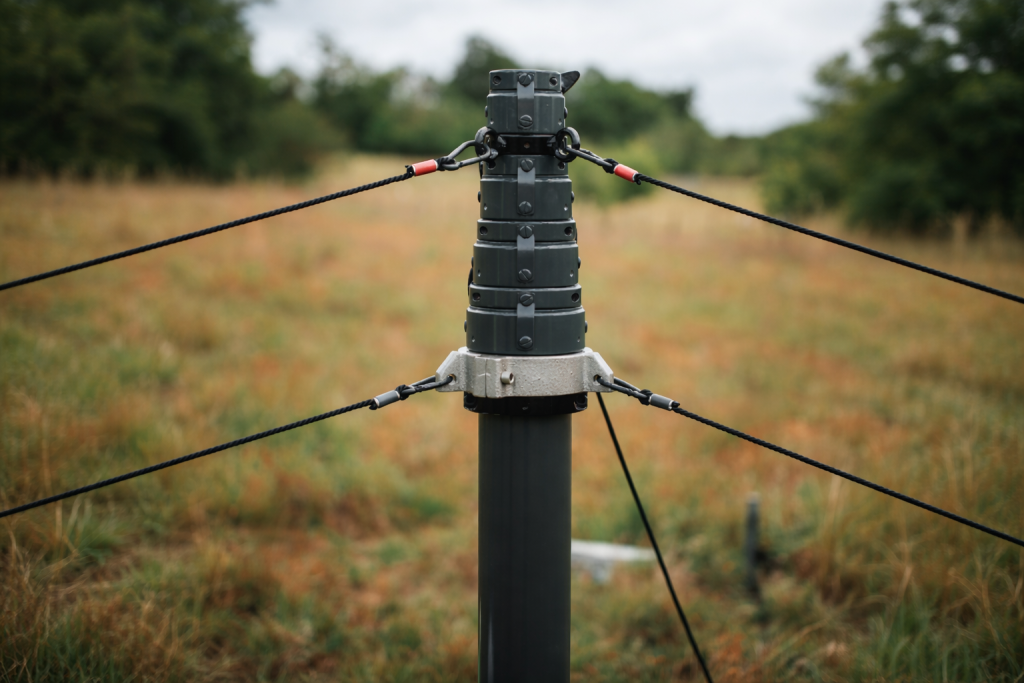
Look for antennas with reinforced elements and protective housings. For example, many SMC Group antennas use stainless steel, Kevlar, and reinforced components to ensure structural strength and reliable signal quality. These rugged designs maintain performance when winds gust or equipment shakes.
Match Antenna to Purpose
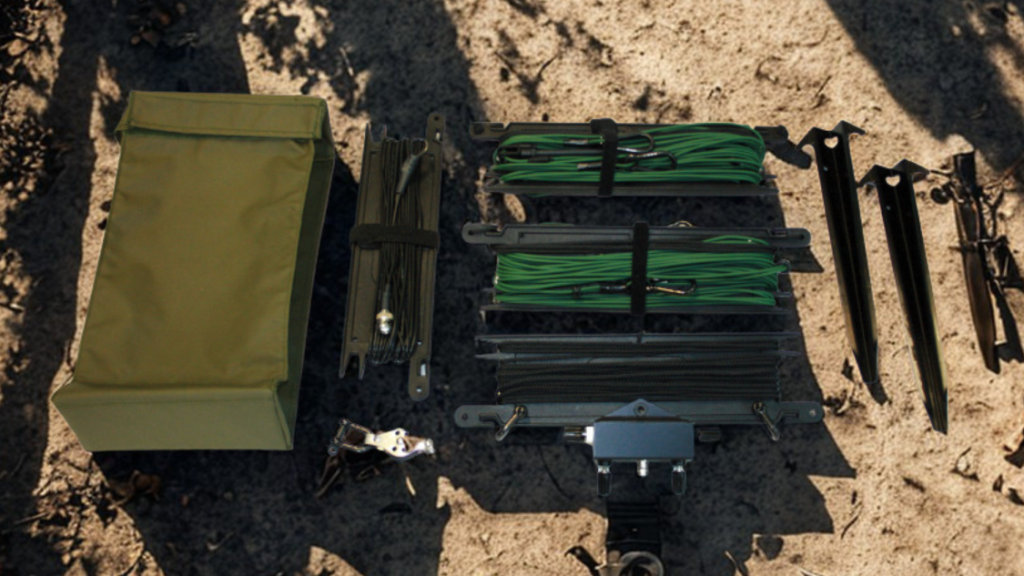
Next, define the communication goals. Do you need HF, VHF, or UHF coverage? What frequency range best suits your application? SMC Group’s range of antennas includes portable tactical dipoles like the LW8 for field deployments and fixed station options for permanent installs. These products adapt to various operational needs while resisting environmental stress.
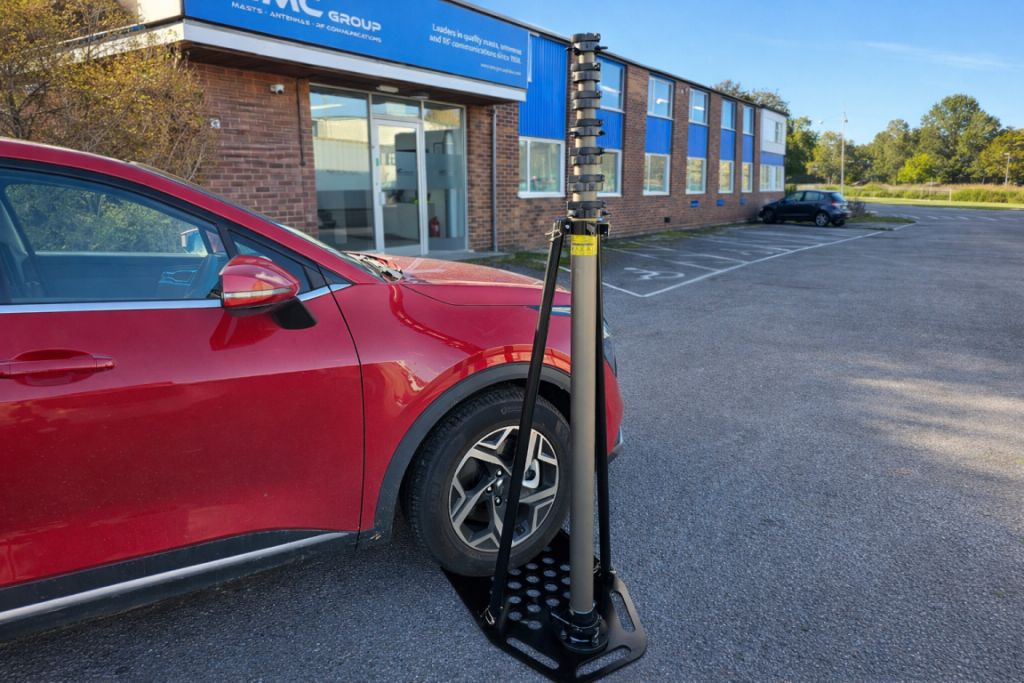
Don’t forget to factor in deployment requirements. Choose antennas that mount securely and allow easy adjustment. This reduces installation errors and improves signal reliability under changing conditions.
Test and Validate Performance
Finally, test antennas in conditions similar to real use. Confirm temperature tolerance, vibration resistance, and long-term stability. SMC Group products are designed to meet military-grade standards and undergo rigorous testing to verify durability.
By understanding your environment, choosing rugged designs, matching technical specifications, and validating performance, you ensure that your communication systems stay dependable even when conditions get tough.
Get in touch with our team today: sales@smcgroupglobal.com, or call +442380246200 (UK). You can also request a quote here.