

Antenna polarisation and performance play a significant role in determining how effectively a communication system radiates and receives signals. SMC Group supplies antenna solutions where polarisation and performance matter across defence, telecom, and tactical applications.
What Antenna Polarisation Means
Antenna polarisation refers to the orientation of the electromagnetic field that an antenna radiates. Engineers choose polarisation based on frequency range, antenna type, and operational requirements. Horizontal polarisation occurs when the electric field aligns parallel to the earth’s surface. Vertical polarisation occurs when the electric field aligns perpendicular to the earth’s surface. These design attributes relate directly to how well systems perform across different propagation environments.
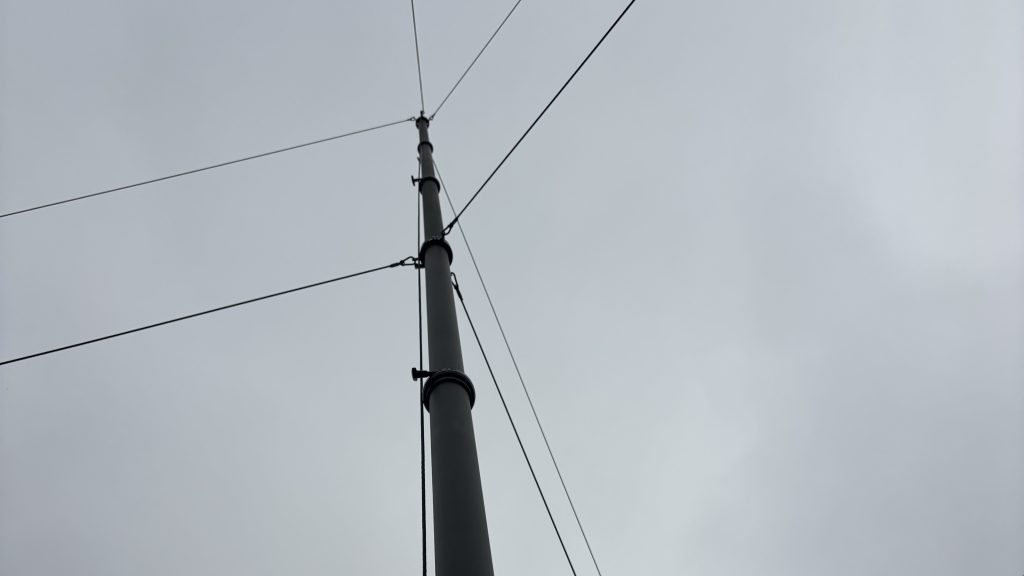
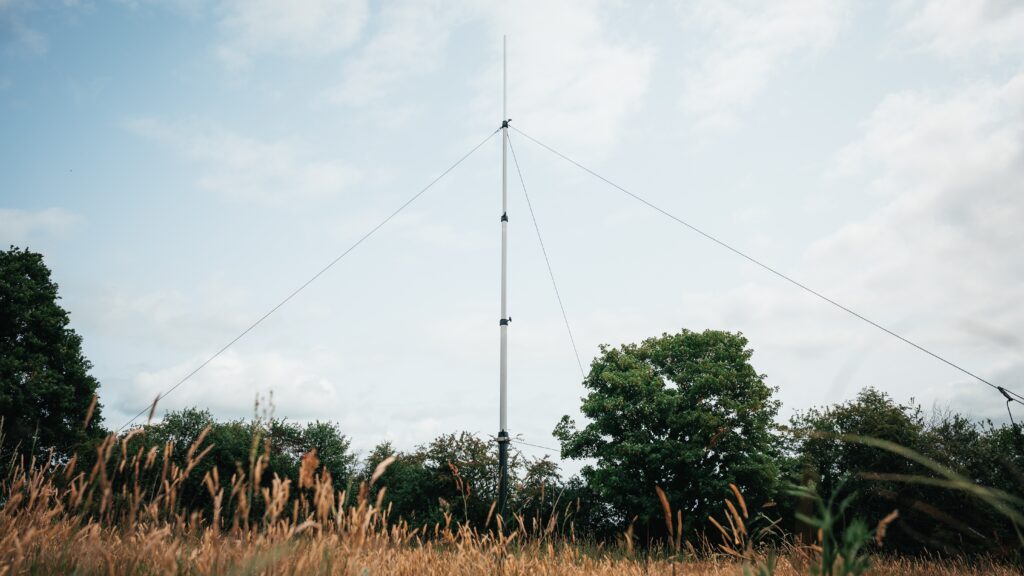
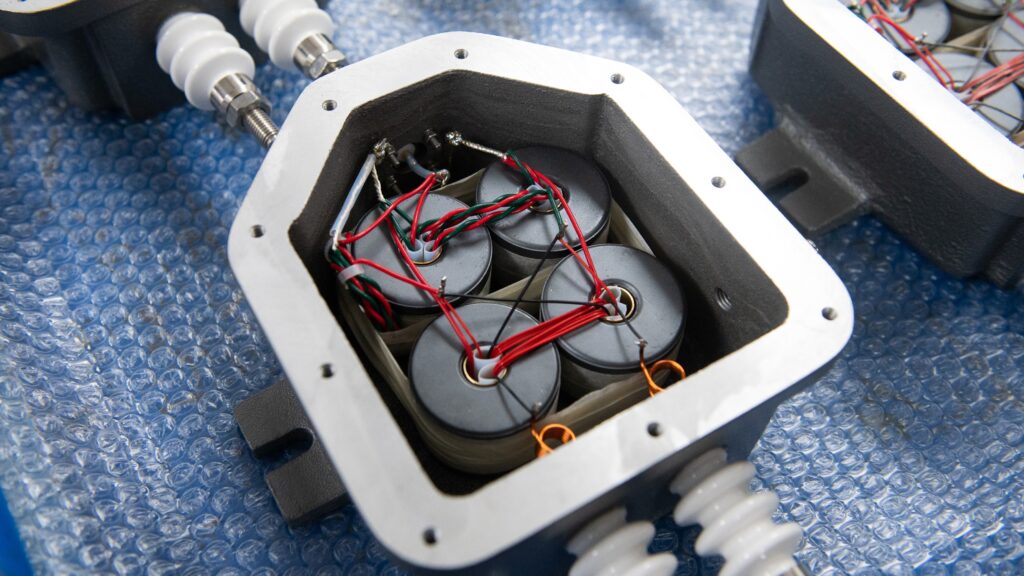
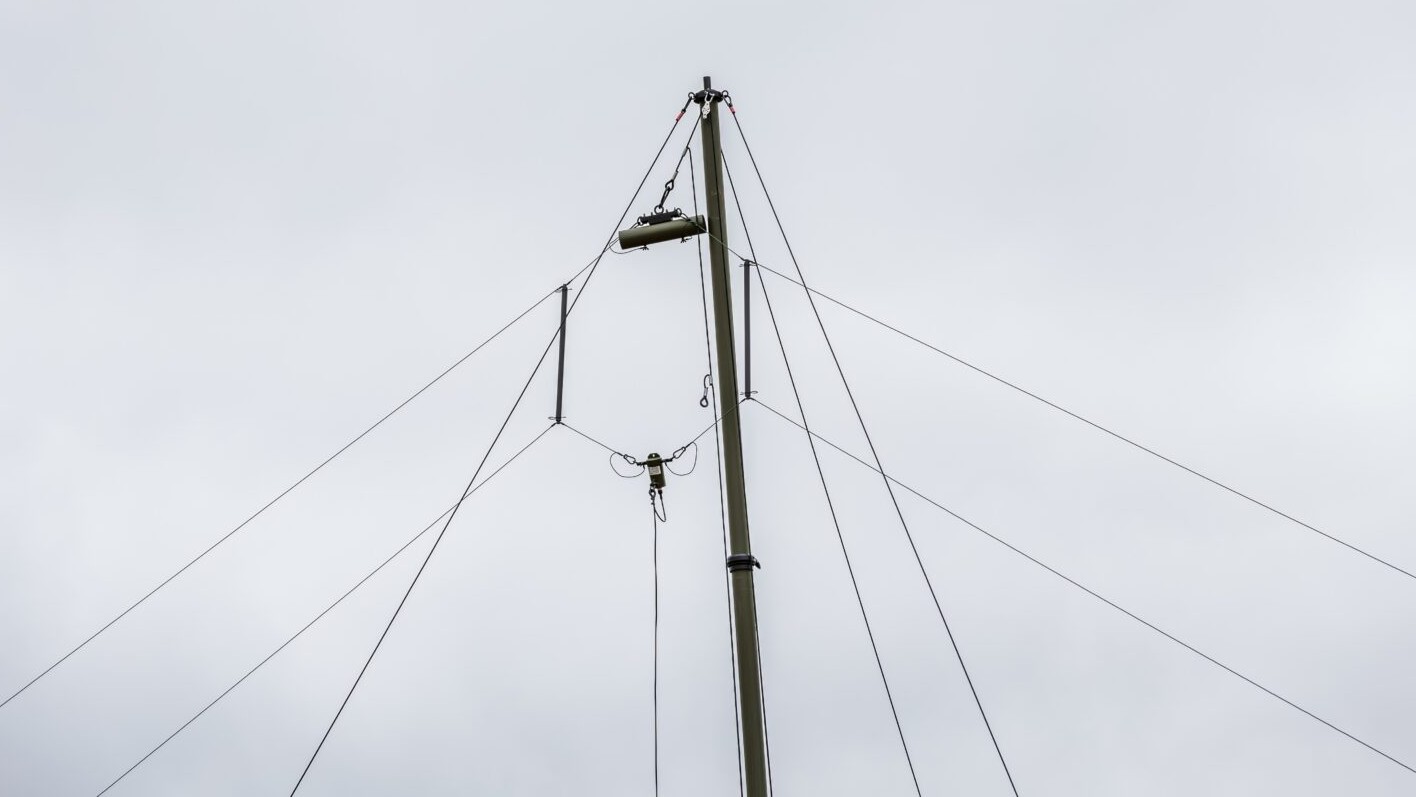
SMC Group’s antenna products, such as dipoles and transportable HF antennas, inherently support specific polarisation orientations based on their physical structure. Therefore, antenna polarisation and performance remain core considerations for system design.
How Polarisation Affects Coverage
Signal coverage and strength depend on matching polarisation between transmitting and receiving antennas. When polarisation matches, systems achieve stronger signal transfer and more reliable links. For example, a horizontally polarised dipole mounted at appropriate height using a compatible SMC Group mast can provide dependable medium frequency transmission across distant sites.
Mismatched polarisation can reduce signal strength, increase fading, and decrease overall system performance. That is why it is important for engineers to select antenna types and mount configurations that align with desired polarisation for operational effectiveness.
Performance Considerations in Defence and Remote Deployments
In defence and remote communications, environmental conditions vary widely. Antenna polarisation and performance depend on terrain, frequency, and antenna height. SMC Group antenna systems integrate with mast solutions that allow engineers to adjust height and orientation to optimise field performance.
Furthermore, transportable and portable antennas permit quick adaptation to changing mission needs while maintaining polarisation alignment.
By understanding antenna polarisation and performance and selecting the right SMC Group antenna and mast solutions, engineers can improve signal reliability, coverage, and overall communication system effectiveness in demanding operational environments.
Get in touch with our team today: sales@smcgroupglobal.com, or call +442380246200 (UK). You can also request a quote here.