


Frequency Range:
HF: HF (High Frequency) frequencies range from 3 MHz to 30 MHz.
UHF: UHF (Ultra High Frequency) frequencies range from 300 MHz to 3 GHz.
VHF: VHF (Very High Frequency) frequencies range from 30 MHz to 300 MHz.
Wavelength:
HF: HF wavelengths are relatively long compared to UHF and VHF.
UHF: UHF wavelengths are shorter than HF but longer than VHF.
VHF: VHF wavelengths are shorter than HF and UHF.
Applications:
HF: HF communications are commonly used for long-distance and over-the-horizon communication, including military, maritime, aviation, and amateur radio operations.
UHF: UHF communications are widely used for short-range communication, such as two-way radios, cellular phones, wireless LANs (Wi-Fi), satellite communication, and some television broadcasts.
VHF: VHF communications are utilised for medium-range communication, including FM radio broadcasting, air traffic control, maritime communication, emergency services (police, fire, ambulance), and amateur radio operations.
Propagation Characteristics:
HF: HF signals can propagate via multiple methods, including ground wave, ionospheric propagation (skip propagation). They are capable of long-distance communication, especially over the horizon.
UHF: UHF signals are primarily line-of-sight and do not typically propagate via ionospheric reflection. They are suitable for short to medium-range communication, especially in urban and densely populated areas.
VHF: VHF signals also propagate primarily via line-of-sight but can exhibit some limited ground wave and tropospheric ducting propagation. They are suitable for medium-range communication and can penetrate obstacles better than UHF signals.
Equipment and Antennas:
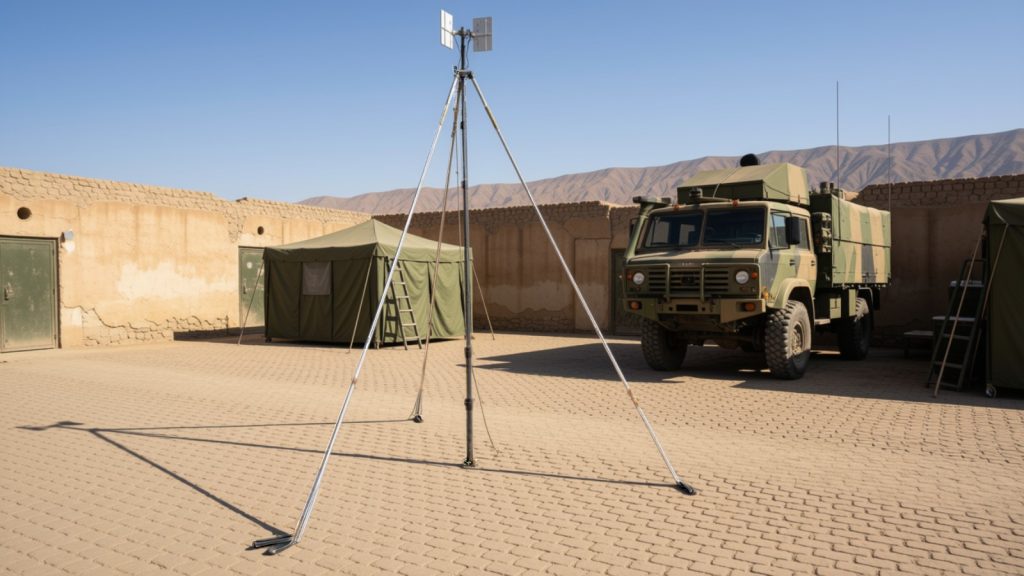
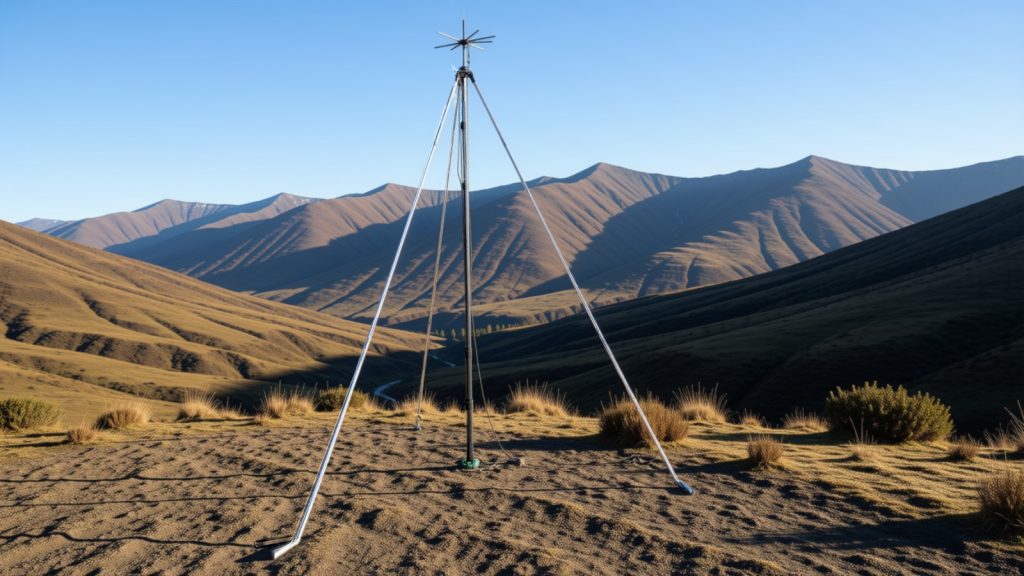
HF: HF communication systems typically require larger more elaborate antenna installations (especially at longer wavelengths) to operate effectively over long distances and across varying propagation conditions.
UHF: UHF communication systems can use smaller antennas and compact equipment suitable for mobile and portable applications.
VHF: VHF communication systems may require slightly larger antennas than UHF systems but are generally more compact and portable than HF systems.
HF (High Frequency), UHF (Ultra High Frequency), and VHF (Very High Frequency) communication bands have distinct characteristics and are utilised for different purposes based on their propagation properties, frequency range, and applications. Each frequency band offers unique advantages and limitations, making them suitable for specific communication requirements across various industries and sectors.