

As the world races toward full 5G coverage, the design of telecom masts plays a crucial role in ensuring reliable connectivity, ease of maintenance, and long-term durability. From traditional lattice towers to newer telescopic and SMC Group mast systems, each structure type brings its own advantages, and challenges.
Understanding the Headload of a Telecom Mast
The headload can vary significantly depending on the equipment installed.
A typical 50 ft (15m) telecoms mast might carry:
- 2-6 sector antennas, each weighing 10-20kg (including mounts and cabling)
- Additional ancillary equipment, such as microwave dishes or radio units
That brings the total headload to approximately 20-100kg, depending on configuration and technology requirements.
This load must be supported safely under both static (weight) and dynamic (wind and vibration) conditions.
Why Lattice Towers are Standard
Despite the rise of new mast technologies, lattice towers continue to dominate telecom infrastructure. Their triangulated steel framework efficiently translates into exceptional strength-to-weight performance, especially valuable for taller towers or heavier antenna arrays.
Key Advantages include:
- High structural efficiency and proven strength
- Excellent fatigue resistance and load redundancy
- Modular design enables easy extensions or upgrades
- Pre-assembled sections can be transported and erected efficiently
- Economical for larger installations
However, lattice towers also come with drawbacks. They require skilled climbers for maintenance, and assembly on-site can be time-consuming compared with newer designs.
SMC Group and Telescopic Masts: Compact, Safer, and Easier to Maintain
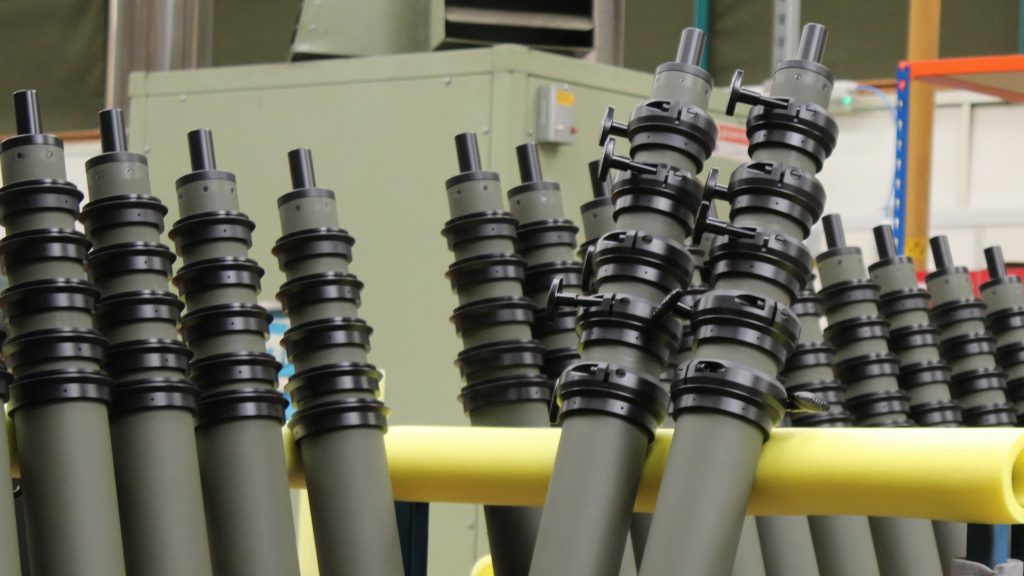
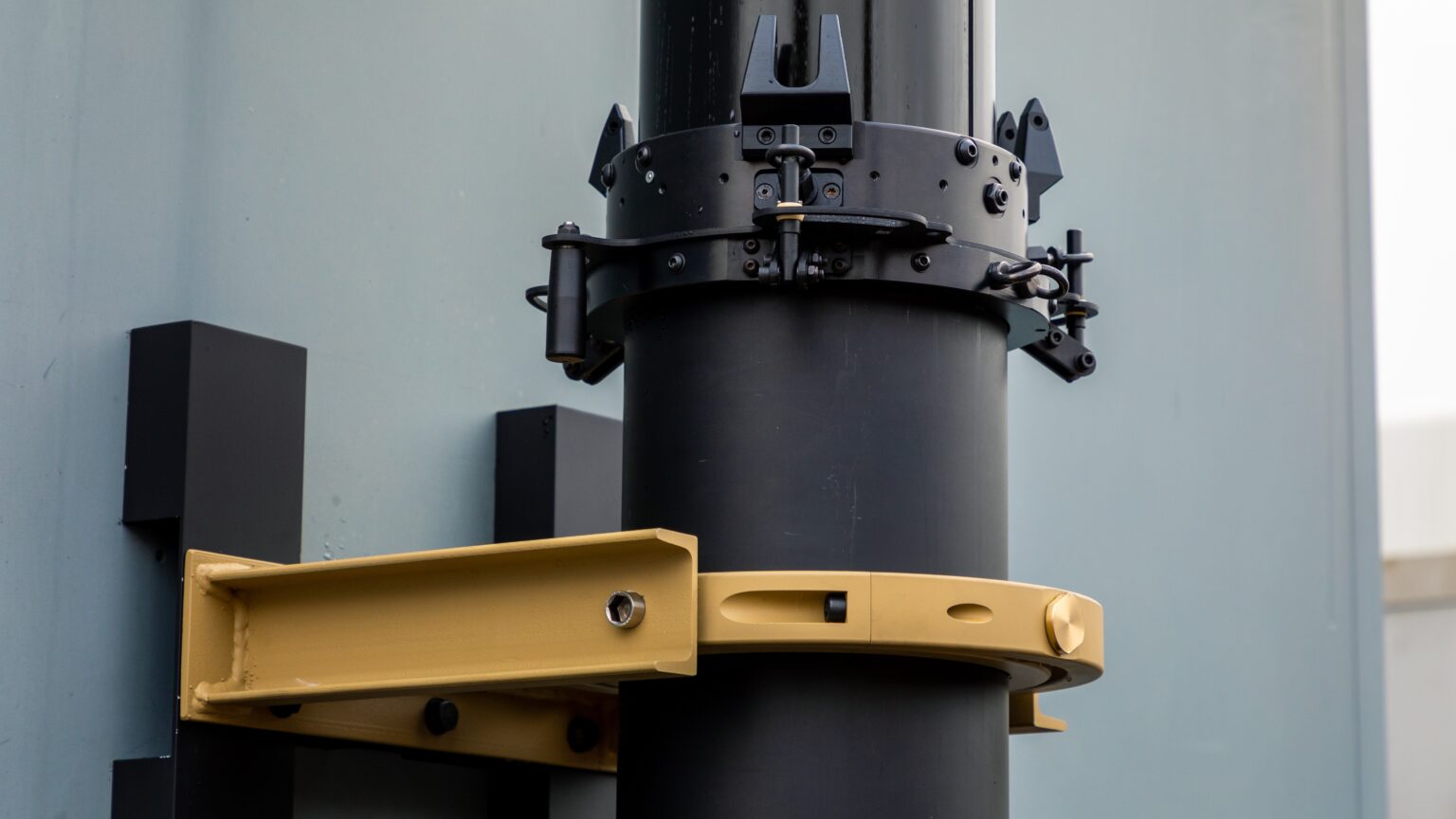
Modern masts, such as the Ultralock and HD Series by SMC Group, offer an innovative alternative.
These masts can be lowered to ground level for servicing, removing the need for climbing and significantly improving safety. Their compact, modular construction allows for rapid deployment, smaller site footprints, and easier relocation, which is ideal for temporary or lightweight telecom applications.
Benefits of SMC Group’s Telescopic Masts
- No climbing required: safer, faster maintenance
- Rapid deployment for temporary or changing network sites
- Modular flexibility to adapt to new configurations
- Reduced site footprint compared with full-scale lattice towers
These systems are particularly effective for lighter-duty or short-term installations where agility and speed of deployment are key.
Overall, although lattice towers may be more typical for medium and large-scale telecom deployments, they’re not your only option. SMC Group’s telescopic masts provide an appealing option for smaller, mobile, or maintenance-sensitive sites, where compactness and ground-level servicing outweigh raw structural capacity.
Get in touch with our team today to learn how SMC Group can enhance your mission performance and signal reliability: sales@smcgroupglobal.com, or call +442380246200 (UK). You can also request a quote here.
Download the Ultralock Data Sheet
By completing this form you agree to being contacted about products and services from SMC Group. See our Privacy Policy.
Download the HD Series Data Sheet
By completing this form you agree to being contacted about products and services from SMC Group. See our Privacy Policy.