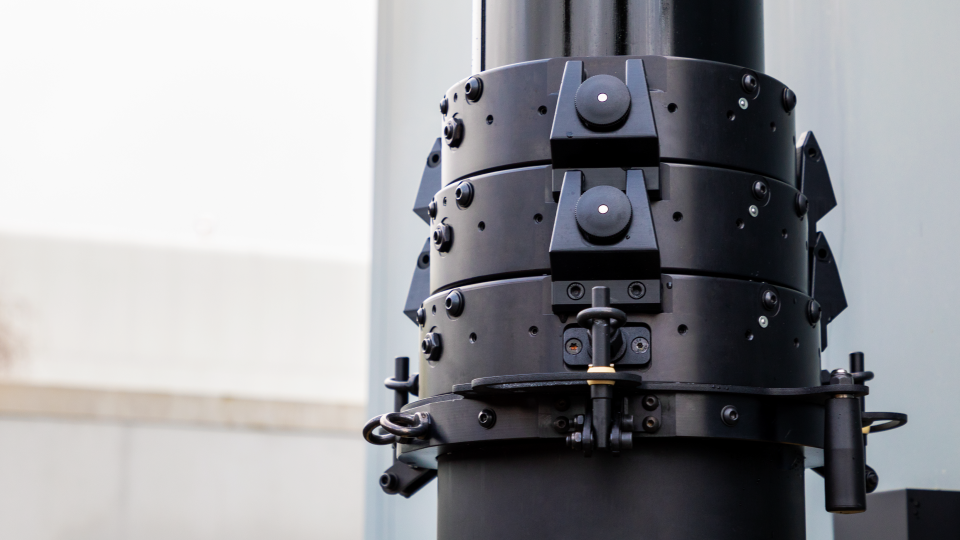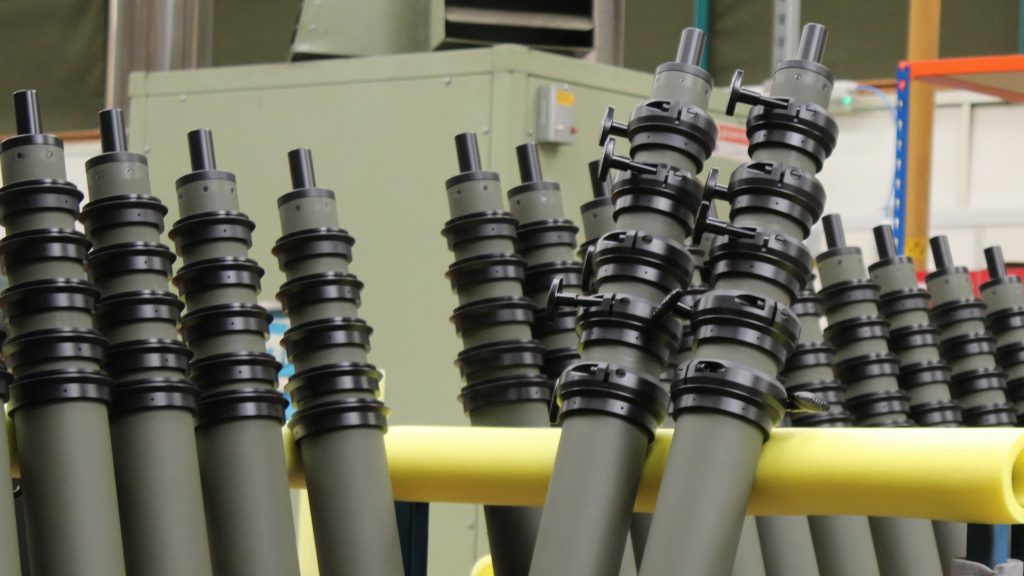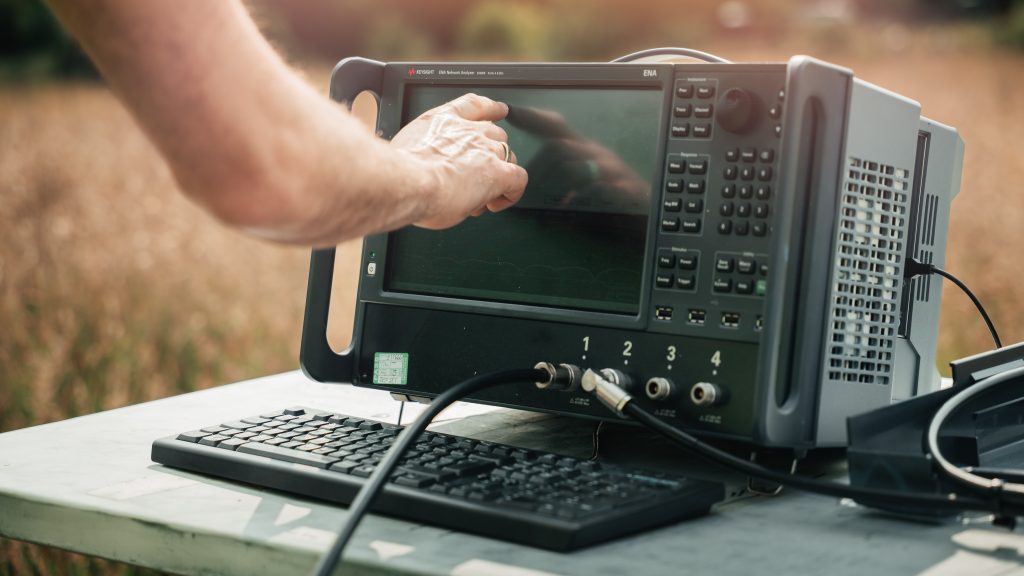


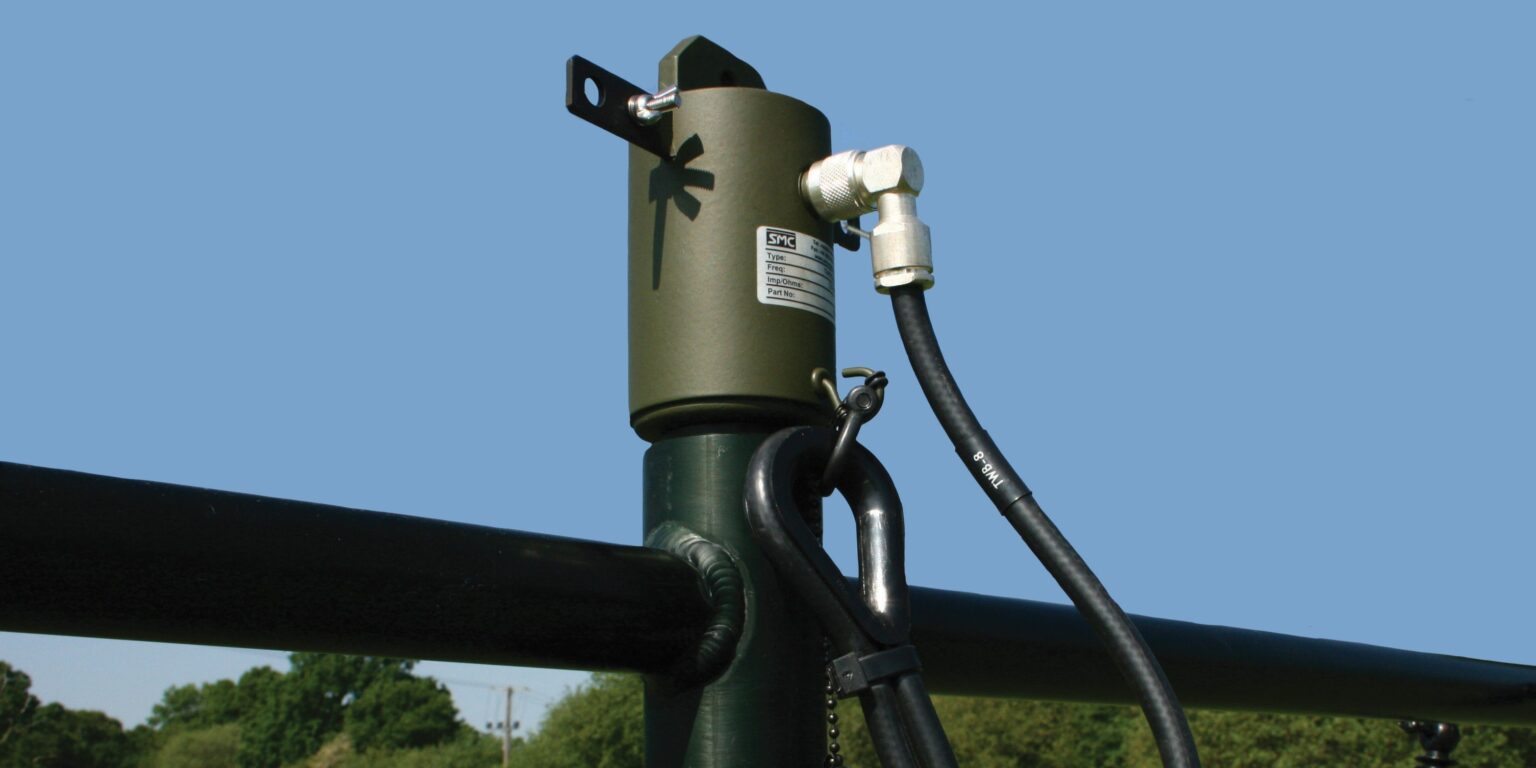
Telescopic masts play a vital role in broadcasting, telecommunications, emergency response, and surveillance. Choosing a telescopic mast that dramatically boosts operational efficiency and reliability can be difficult. Here are five critical factors to help you select a telescopic mast that meets your specific operational needs.
1. Height and Reach
A mast’s height directly affects signal range and line-of-sight communication. You’ll need to determine the necessary extension height based on your operational goals. Keep in mind, taller masts often require additional stabilisation, especially in rugged terrain or poor weather conditions. SMC Group masts consistently perform in these challenging environments thanks to their robust design.
2. Load Capacity
Your mast must support the weight of mounted equipment such as antennas, cameras, lighting, or weather sensors. SMC Group designs each mast to maintain the ideal balance between height and load-bearing capability. This approach ensures strong, stable performance without compromising structural integrity, even when operating under heavy loads.
3. Material and Durability
Material selection impacts both durability and ease of use. SMC Group typically uses aluminium due to its lightweight nature and excellent resistance to corrosion, making it ideal for diverse field conditions. For more demanding applications, like military or heavy-industrial use, SMC Group offers steel masts engineered to handle extreme environments.
4. Deployment and Portability
Quick deployment matters, especially in emergency scenarios or more mobile operations. SMC Group designs its masts for fast setup and easy retraction, helping teams respond quickly. The masts’ portability (determined by their weight and how compactly they collapse) is another key design priority, especially for mobile and field-based tasks.
5. Compatibility and Integration
Your mast must work seamlessly with existing systems and additional equipment. SMC Group ensures each mast integrates smoothly with a wide range of communication gear and support systems. This compatibility enhances versatility and operational effectiveness across multiple industries.
Conclusion
Choosing a telescopic mast involves more than picking a product off the shelf. You need to consider height, load capacity, materials, deployment efficiency, and integration capabilities. SMC Group builds masts that align with your exact needs, turning each one into a purpose-built tool that enhances your operational capability.
For more information, contact our team today at sales@smcgroupglobal.com, or call +442380246200 (UK) or +1(386)221-5007 (US). You can also request a quote here.